
Does a walking pad count as exercise? What the treadmill-desk trials show, and a 60-second pace check

Jeffrey Sun, ACE-CPT
November 5, 2026 · 9 min read
ACE-certified personal trainer specializing in functional movement, mobility, and strength training for busy professionals in San Jose and the Bay Area.
Book a free consultation →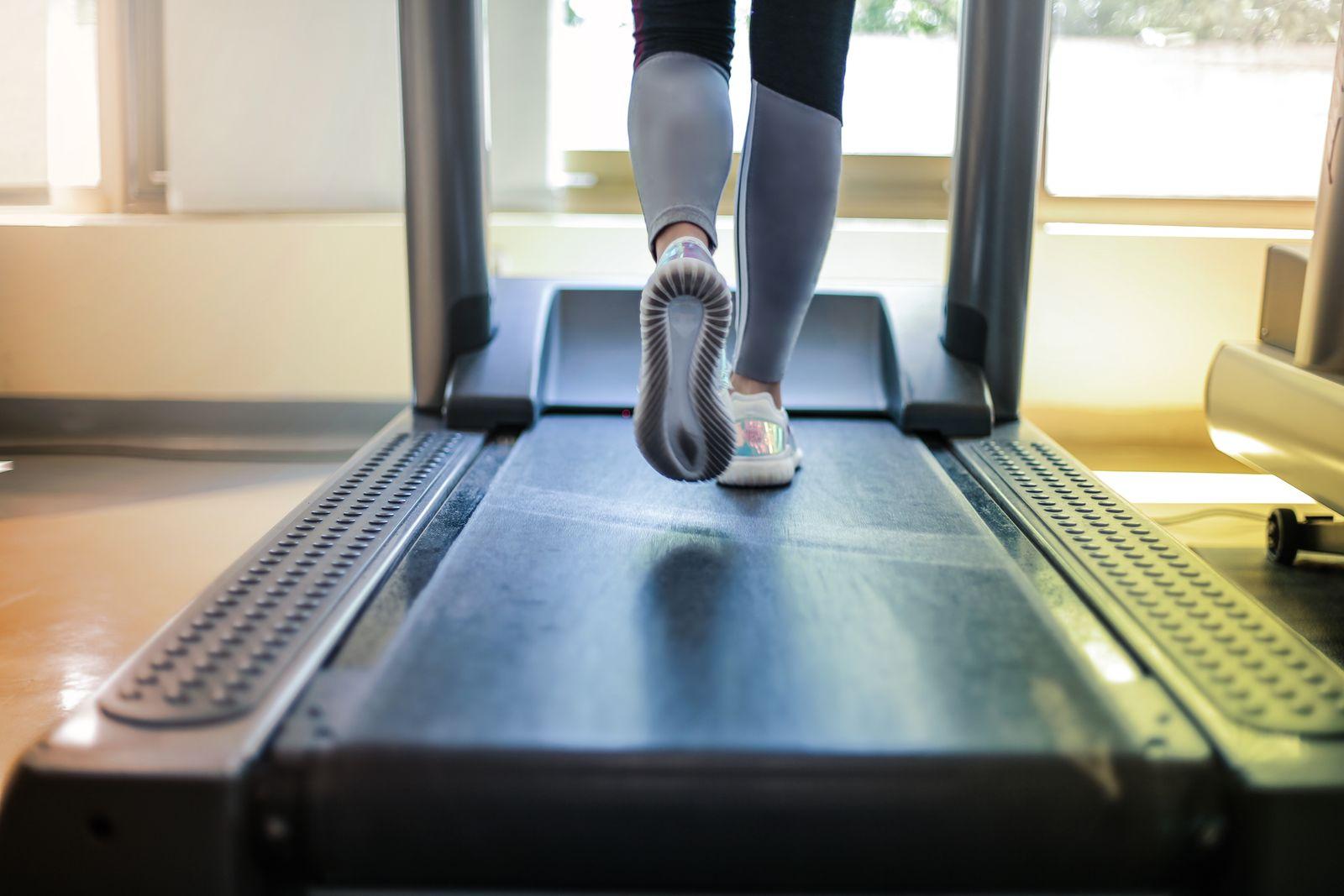
A product manager in Sunnyvale texted me a photo of her new walking pad in the spring, slid under her standing desk, with the caption "I'm going to walk 15,000 steps a day now." Two weeks later she asked me whether it counted as her workout. She'd stopped going to her Tuesday class because she was "already moving all day."
It was a fair question, and the honest answer is: it counts as movement, and it's a genuine improvement on sitting, but it's doing a different job from the class she'd dropped.
Walking pads have gone from a novelty to something a lot of my clients either own or are thinking about buying. The research on walking while you work is older than the trend and better than most of the pages selling them let on. Below is what the trials show, a 60-second check to see how hard you're actually working on yours, and what to pair it with.
The short answer: real movement, mostly light
A walking pad is a compact, low-speed treadmill that slides under a standing desk. Most top out around 3 to 4 mph, and most people use them at 1 to 2.5 mph while they work.
At those speeds, you're doing light-intensity activity: more than sitting or standing still, less than the brisk walking that exercise guidelines count toward their 150 minutes a week. That's not a criticism. Light activity in place of sitting is exactly what most desk workers need more of. It's just worth knowing which bucket it goes in, so you don't drop something else on the assumption it's covered.
What a year at a treadmill desk did
The longest trial I know of comes from Levine's group, which spent years studying how much people move at work. In a 2013 one-year trial in Obesity, Koepp and colleagues gave treadmill desks to 36 sedentary office workers and measured them with accelerometers at the start, at six months and at a year.
Daily activity rose by about a third at six months and stayed well above baseline at a year. Sedentary time fell by about 90 minutes a day at six months, and by about 40 minutes at a year as the novelty wore off. Weight came down by 1.4 kg on average, and 2.3 kg in participants with obesity. Work performance didn't change.
A 2014 companion study in PLoS One, run at a financial services company over 12 months with treadmills capped at 2 mph, found daily activity went up, and that self-rated and supervisor-rated work performance slightly improved. One thing to know: both studies came from the same research group, and its senior author had received consulting fees from an office furniture maker before 2008. The papers disclose it. I'd treat the work-performance findings as "it doesn't seem to hurt" rather than "it makes you better at your job."
A 2015 systematic review by MacEwen and colleagues in Preventive Medicine, looking at both standing and treadmill desks, found treadmill desks produced more physiological improvement, including post-meal glucose, HDL cholesterol and body measurements, while standing desks produced few changes. The authors were also clear that the evidence has large gaps.
What changes the same day
Some of the clearest effects show up within a single workday.
In a 2018 randomized crossover trial in the Journal of Sports Sciences, Champion and colleagues had 24 adults aged 18 to 55 spend two 6.5-hour days in the lab. On one, they sat throughout. On the other, they walked on a treadmill desk for 20 minutes every hour, at 1.2 to 3.5 km/h, which is about 0.75 to 2.2 mph. After the same meals, the walking day produced a smaller rise in blood glucose (the incremental area under the curve was about a third lower), lower triglycerides, and systolic and diastolic blood pressure 3 and 4 percent lower.
That's two hours of very easy walking spread across a workday, at walking-pad speeds, and it changed how the body handled lunch. It fits with the broader research on breaking up sitting, where short walks every 20 to 30 minutes did similar things in other trials.
Self-check: the 60-second cadence count
This tells you how hard you're actually working on your pad, without a heart-rate monitor.
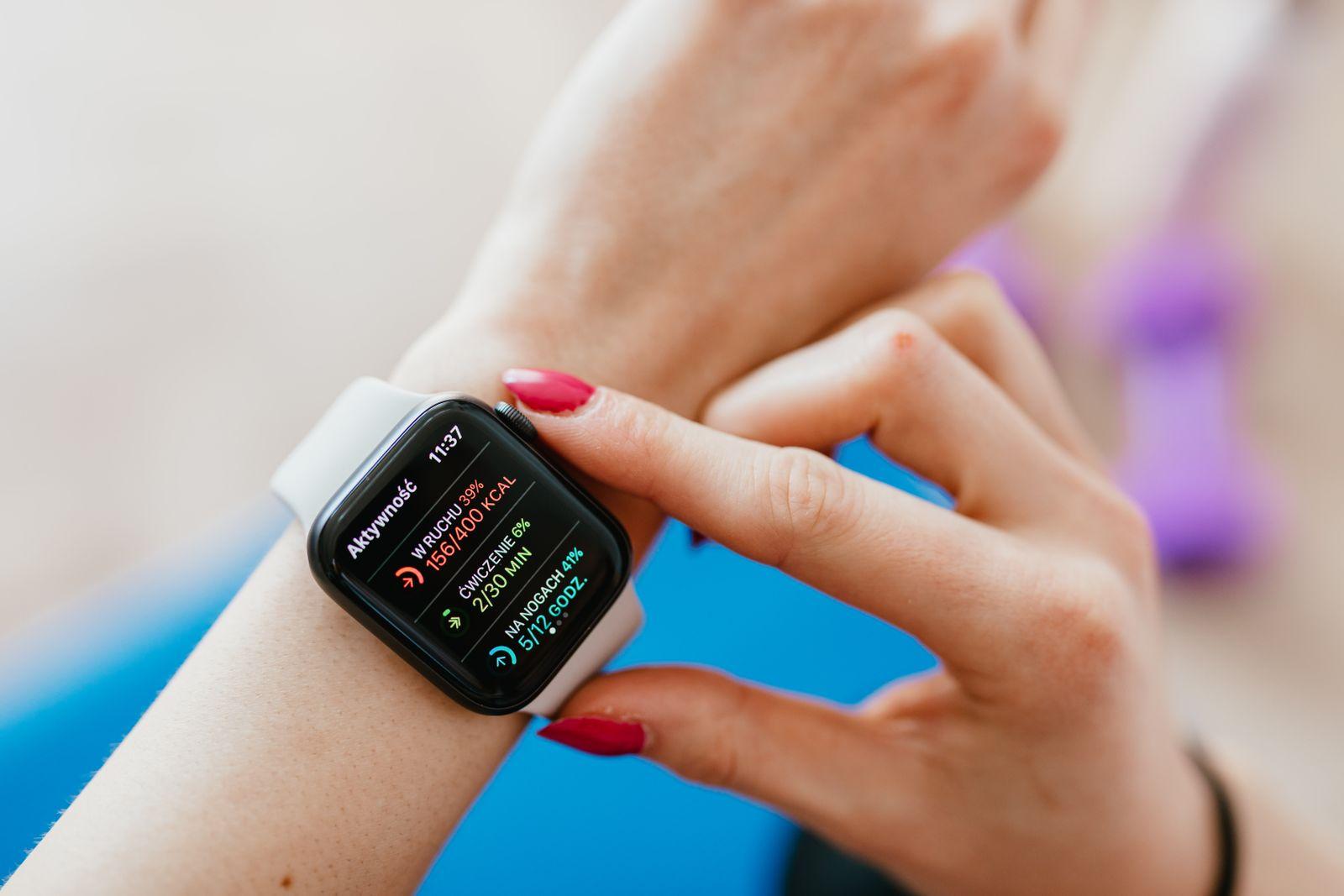
Walk at your usual working speed for at least two minutes. Then count your steps for 60 seconds, counting every time either foot lands. A watch or phone pedometer works too, if you check the step count at the start and end of the minute. Then do it again at the fastest speed you'd use for a short walking break.
Under 100 steps a minute: light intensity. Good for breaking up sitting and adding steps. This is where most people land while working.
100 to 129 steps a minute: moderate intensity. This is the range that counts toward the 150 minutes a week of moderate activity in exercise guidelines.
130 or more steps a minute: vigorous intensity. Most walking pads can't get you here safely at a walk.
These thresholds come from the CADENCE-Adults study by Tudor-Locke and colleagues, published in the International Journal of Behavioral Nutrition and Physical Activity in 2020. They measured 80 adults aged 41 to 60 walking on a treadmill at increasing speeds while measuring their oxygen use. About 100 steps a minute lined up with moderate intensity, and about 130 with vigorous. The authors noted the numbers still need confirming in older adults and in everyday walking, so treat them as a good guide, not an exact line.
For most people, the working-speed count lands in the 70s to 90s, and that's fine. If you want some walking-pad time to count as moderate, take a five- or ten-minute break from the keyboard, turn the speed up until you're at 100 or more, and walk with your arms free.
Steps versus pace after 40
Two of the best step-count studies in middle-aged adults point in slightly different directions, and it's more useful to know both than to pick one.
In a 2021 study in JAMA Network Open, Paluch and colleagues followed 2,110 adults from the CARDIA study, average age 45, for about 11 years. Compared with people taking fewer than 7,000 steps a day, those taking 7,000 to 9,999 had a substantially lower risk of dying during follow-up, and those taking 10,000 or more also had a lower risk. Their walking pace, measured as their fastest 30 minutes of the day, showed no association once steps were accounted for. Only 72 people died during the study, so the estimates are wide.
A 2022 UK Biobank study in JAMA Internal Medicine, by del Pozo Cruz and colleagues, followed 78,500 adults aged 40 to 79 for a median of seven years. More steps were associated with lower risk of death and of developing heart disease and cancer, with the benefit continuing up to about 10,000 a day. And unlike Paluch, a faster peak pace was associated with lower risk on top of the total.
My read: total steps are the foundation, and a walking pad is good at adding them. Some faster walking probably adds a bit more. Both studies are observational, so they show associations, but they agree on the main point, which is that the jump from a low step count to a moderate one is where the biggest differences appear.
What a walking pad doesn't do
A walking pad adds light activity and steps. What it doesn't do is make your legs, hips or back stronger, or train power and balance. Walking at 2 mph is well within what your muscles can already handle, so they have no reason to adapt.
After 40, that matters. Muscle and strength decline slowly from your 30s onward, and walking alone doesn't hold them. That's the job of resistance training, and it's why the Sunnyvale product manager's Tuesday class was doing something her walking pad wasn't.
The two fit together well. Walking pad for the hours you'd otherwise sit, two or three strength sessions a week for everything walking doesn't reach. If you don't have time to get to a gym, the dumbbell-only home program takes about 30 minutes and fits in the same room as the pad.
Setting it up so your back and feet tolerate it
A walking pad changes how much load your feet, calves and back take each day, and a sudden jump is where problems start. The most common one I see is heel pain a few weeks after someone goes from a few thousand steps a day to fifteen thousand.
- Build up gradually. Start with 20 to 30 minutes a day, broken into short bouts, and add about 10 minutes a day each week.
- Keep the speed modest while working. 1.5 to 2.5 mph is where most people can type and talk comfortably.
- Mix positions. Sit, stand and walk across the day rather than walking for hours straight.
- Wear shoes. Walking barefoot or in socks on the belt for hours is a big change for your feet.
- Set the desk for walking height. The pad adds a few inches, so lower the desk until your elbows are at about 90 degrees with your shoulders relaxed.
If your back aches when you stand at the desk, the walking pad usually helps rather than hurts, because walking moves the lower back through more positions than standing still. The standing desk back pain self-check has more on that.
Where to go from here
The Sunnyvale product manager kept her walking pad. Her working-speed cadence came in at 84 steps a minute, so she added two 10-minute brisk walks at 105, went back to her Tuesday class, and added a home strength session on Fridays. Her step count settled at a more realistic 11,000 a day. She's been at it for six months.
A walking pad is a good tool for the hours you sit. What it doesn't tell you is where your body needs more than walking. The free movement screen checks six areas in about five minutes, with no email required, and it's the same assessment I start new clients with.
If you'd like a plan that combines the walking pad, short brisk walks and two strength sessions around a full workweek, that's what one-on-one training is for. I've logged more than 13,000 sessions with adults around San Jose and the South Bay, and more of them own a walking pad every month.
Ready to train smarter?
Get a personalized program built around your goals, your body, and your schedule.
Book Your Free ConsultationRelated Articles
Exercise snacks for desk workers: what two-minute movement breaks actually do, and a plan for your workday
Exercise snacks are one- to five-minute bursts of movement spread through the day. What the research on breaking up sitting and short vigorous bouts really shows, a quick sitting audit, and a snack menu for desk workers from a San Jose trainer.
Weighted vest walking after 40: what the trials found, how heavy to go, and a readiness check
Weighted vest walking after 40, read against the actual trials: what a vest did for bone, muscle and fat, how heavy a weighted vest should be to start, and a backpack rehearsal to run before you buy one, from a San Jose trainer.
Lifting with knee osteoarthritis: what 217 trials say about loading a worn joint
Strength training with knee osteoarthritis won't wear your cartilage down, and it also isn't the pain treatment it gets sold as. A San Jose trainer's read on what the research actually supports for training after 50.