
How to breathe during heavy lifts: a desk worker's guide to bracing

Jeffrey Sun, ACE-CPT
June 8, 2026 · 10 min read
ACE-certified personal trainer specializing in functional movement, mobility, and strength training for busy professionals in San Jose and the Bay Area.
Book a free consultation →
I had a 38-year-old engineer in my studio last month working through his first set of heavy deadlifts. He pulled 225 clean, racked the bar, then immediately put his hands on his knees and started taking these shallow, gasping breaths that weren't going anywhere. White-faced, slightly dizzy, a little panicked.
He didn't strain anything. His back was fine. The lift itself looked clean. He just had no idea how to breathe through that level of effort, and his body had no recovery pattern to fall back on.
This happens almost every week at my studio. People who can plank for two minutes, run a 7-minute mile, sit through a 12-hour workday without breaking a sweat. Then they pick up a moderately heavy barbell and their breathing falls apart.
The problem isn't fitness. It's the breathing pattern they've been using for ten years at a desk. That pattern doesn't translate to the gym, and nobody warns them about it.
Why your desk job is probably wrecking your bracing
Eight to twelve hours a day. Slumped forward. Shoulders rolled. Your diaphragm compressed against your ribs by the position you're sitting in. Your body adapts. You stop using your diaphragm and start chest-breathing, taking small, shallow breaths into the top of your lungs.
Most of the desk workers I see have been doing this for so long that it feels normal. They don't notice it until I have them put one hand on their belly and one on their chest, then take a deep breath. The chest hand moves. The belly hand stays still. That's the tell.
When you go to brace for a heavy lift, your body needs to do the opposite of what it's been doing all day. It needs to drive air down into your belly, lock that air in, and create pressure that protects your spine. If your diaphragm has been offline for years, it doesn't remember how.
You can lift heavier than your bracing can support, which is exactly when injuries happen.
The two breaths every lifter needs
There are two breathing patterns that matter for strength training, and you need both of them working.
The first is diaphragmatic breathing. Air goes down into your belly, your diaphragm flattens and pushes against your organs, and your belly expands in all directions including front, sides, and back into the low back. This is how babies breathe. It's also how every effective lifter breathes when they're under load.
The second is chest breathing. Air stays high in your lungs, your shoulders rise, your chest puffs out. This is the breath your body defaults to when oxygen demand spikes during sprints or conditioning, or when stress hits. It has its place.
The trouble most desk workers run into isn't that chest breathing is bad. It's that chest breathing is the only pattern they still have access to. The diaphragmatic pattern has gone quiet. They've spent so many years compressed into a chair that their body forgot it had another option.
Without diaphragmatic breathing, you can't generate the pressure you need to handle real weight.
What intra-abdominal pressure actually means
People hear "intra-abdominal pressure" and imagine something complicated. It's not.
Picture your torso as a cylinder. The top of the cylinder is your diaphragm. The bottom is your pelvic floor. The walls are your abs, obliques, and lower back. When all of these contract together and compress around the air sitting in your belly, the cylinder becomes rigid. That rigidity protects your spine and lets you transfer force from the ground up through the bar.
Without that pressure, your spine has to handle the load by itself. It isn't built for that. A loaded squat or deadlift puts hundreds of pounds of compressive force on your vertebrae. Intra-abdominal pressure absorbs a huge chunk of it.
When I see someone get hurt on a moderate weight, this is almost always the cause. The lift wasn't too heavy. The brace was too weak.
How to practice diaphragmatic breathing without a barbell
Before you put a single plate on the bar, you need to be able to feel diaphragmatic breathing in your body. Most desk workers can't. That's the actual starting point.
The drill:
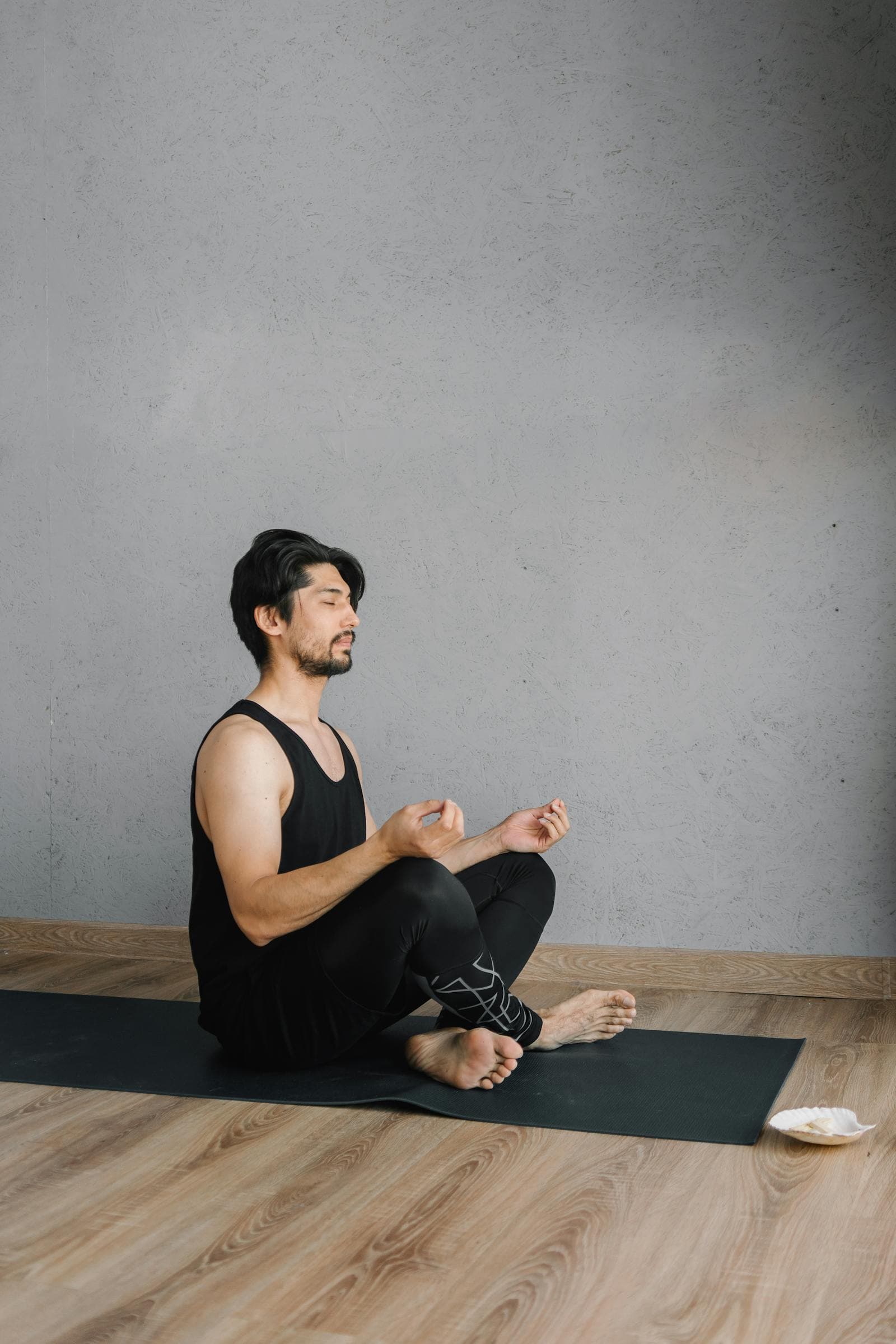
Lie on your back, knees bent. Place one hand on your chest, one on your belly. Breathe in slowly through your nose for four seconds. The hand on your belly should rise. The hand on your chest should not move.
If your chest hand is the one moving, you're still chest-breathing. Don't try to force the belly to rise. Just breathe slower and softer until you can actually feel air going down rather than up. Most people need three or four sessions before they can reliably get air into the belly on demand. That's normal.
Once you can do it lying down, practice standing. Then sitting at your desk. Then walking. The goal is to make diaphragmatic breathing your default again, not a thing you only do when you're warming up to lift.
I have clients who tell me a month into this work that their resting heart rate dropped, their sleep improved, their stress feels lower. That's not a coincidence. The diaphragm is wired into your nervous system. When you breathe better, you regulate better.
The Valsalva maneuver: bracing for a heavy single
Once diaphragmatic breathing is working, you can layer the brace on top.
The sequence for a heavy single:
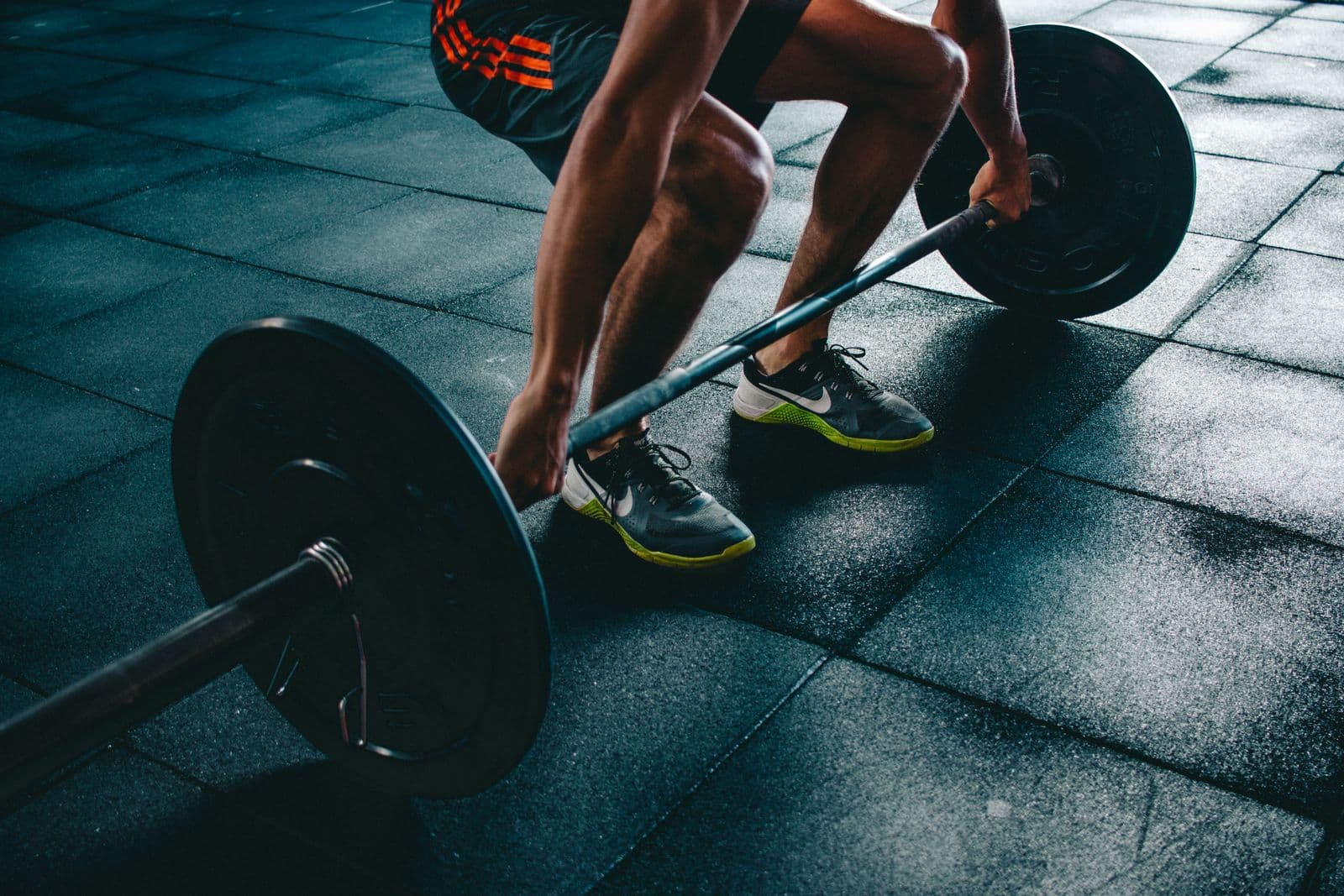
Take a deep diaphragmatic breath in through your nose. Hold it. Push down and out through your abs like you're about to take a punch in the stomach. Now lift. Hold the breath through the entire rep. Exhale once you've locked the lift out or set the bar back down.
The hold is where most people mess this up. They exhale halfway through the rep, the pressure drops, and the lift becomes unstable. The spine gets exposed and they either grind through with bad form or miss the rep.
A few notes.
Don't hold the breath for more than five or six seconds. Past that point, blood pressure spikes hard. If you have cardiovascular concerns, talk to a doctor before using Valsalva at heavy loads.
If you feel lightheaded or see stars after a heavy rep, the brace was probably correct but you held it too long. Exhale sooner next time.
The brace happens before you start moving. If you're trying to brace while pulling, you're already late.
This pattern works for heavy singles or doubles. Deadlift max attempts, top sets of squats, heavy overhead press. Anything where you're under load for three seconds or less.
If you want to see what a clean deadlift setup looks like with the brace included, I wrote up the full deadlift setup for over-30 lifters which walks through grip, foot position, and the brace in sequence.
How to breathe on sets of five, eight, and beyond
Multi-rep sets are where most people fall apart. You can't hold a Valsalva for eight reps. Your blood pressure would tank.
The general rule: brace at the start of each rep, hold through the hardest part, exhale on the easier part, and reset the brace before the next rep.
For a five-rep set of squats: breath in, brace, descend, drive up, exhale near the top, reset breath, brace again, next rep.
For a ten-rep set, your bracing will degrade. That's normal. The first five reps should feel solid. By rep eight or nine, you'll be working harder to hold pressure. That's part of why high-rep sets feel mentally exhausting in a way low-rep sets don't. Your nervous system is working overtime to coordinate breath and brace at a higher tempo.
Most of the desk workers I coach do better on sets of five or fewer for the first few months. The shorter sets let them practice the brace cleanly without it breaking down. Once the pattern is automatic, sets of eight to twelve become easier.
Three breathing mistakes I see almost every week
A few patterns I see over and over.
Bracing too late. People wait until the bar is already moving before they try to brace. By then the spine is already loaded and the brace is reactive. The brace has to happen before you initiate the lift.
Exhaling on the way down. On squats, the descent is when you load the brace. If you breathe out before you've finished the rep, you lose pressure exactly when you need it most. Hold the breath through the bottom of the lift. Exhale only after you've cleared the hardest position.
Holding the breath when you should be exhaling. Some clients overcorrect and hold their breath through everything, set after set, no exhale between reps. They turn purple, get dizzy, and burn through their cardiovascular capacity in the first two sets. Exhale fully between reps on multi-rep sets. Reset on the next inhale.
When bad breathing is actually a mobility problem
Sometimes breathing won't improve no matter how much you practice the drill on the floor. The pattern just won't take.
When this happens, the issue is usually mobility. Specifically, your thoracic spine and rib cage are too stiff to let your diaphragm expand properly. If your upper back is locked into a slumped position and your ribs can't lift, your diaphragm has nowhere to go.
A stiff thoracic spine and a chronically flat-chested posture are common in desk workers. I see them constantly. The fix isn't more breathing drills. It's mobility work that opens up the structure so your diaphragm has room to work.
If you've been practicing diaphragmatic breathing for a few weeks and it still feels forced, run the thoracic spine mobility test and see what shows up. If your rotation or extension is restricted, that's where to start.
You can also take the movement screen. It flags the patterns I'd assess in a first session, including the ones that block breathing. Five minutes, no email required.
What to do next
The order I'd suggest if you're starting from scratch:
Week one: practice diaphragmatic breathing on the floor, five minutes a day. Get it consistent before you try to brace.
Week two: practice the Valsalva with light loads. A dumbbell goblet squat or a kettlebell deadlift. You're not training for weight, you're training the brace.
Week three: bring the brace into your normal lifting sets, but cap the weight at 75 to 80 percent of your usual working sets. Let the brace lead, not the load. That cap is also a good chance to practice reading your own effort level instead of just going by how heavy the bar feels.
Week four onward: scale the weight up as the brace stays clean.
If your breathing isn't improving after a month of consistent practice, or if you can't tell whether you're doing it right, that's when working with a coach for a few sessions becomes worth it. Breathing is one of those things that's hard to self-correct in a mirror. An outside eye catches what you can't.
If you're in San Jose or the South Bay and want to fix this in person, come work with me. I screen breathing on the first session and we build the pattern up alongside the lifts. By the time you're under real weight, the brace is already locked in.
Ready to train smarter?
Get a personalized program built around your goals, your body, and your schedule.
Book Your Free ConsultationRelated Articles

Hydration and Electrolytes for Strength Training After 40: What Changes and What to Actually Drink
A San Jose trainer's practical guide to hydration and electrolytes for lifters over 40 — what shifts in your body, what to drink before, during, and after a session, and when cramps are a hydration issue versus a programming one.
Deadlift Setup for Over 30 Lifters: A Trainer's Guide
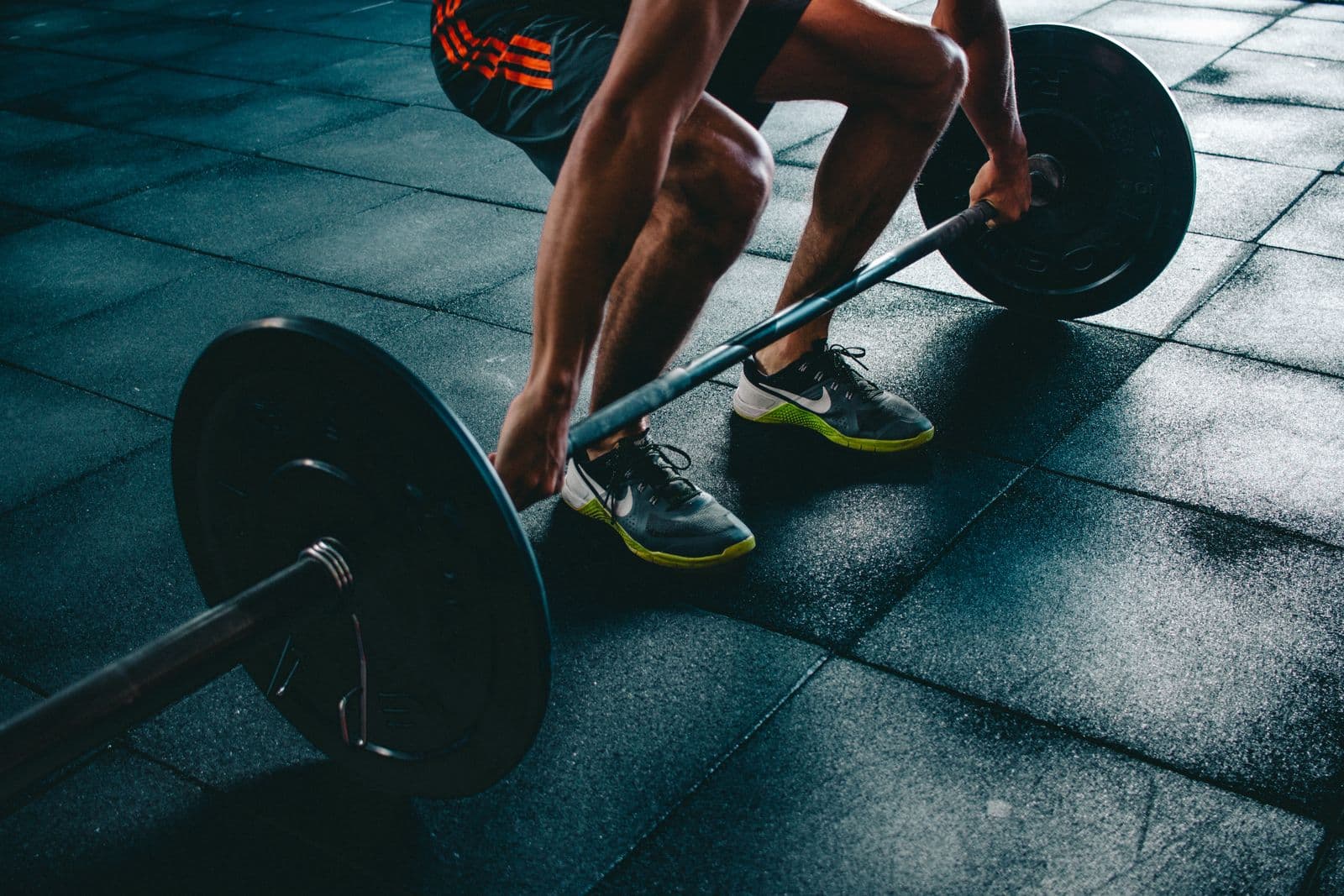
The deadlift setup is what determines how the rest of the lift feels. Here's the conventional setup, the four variations that work for tighter bodies, and the mobility prerequisites that make any of them clean.
What to Do on Rest Days: A Strength Trainer's Guide for Over 30
Rest days aren't off days. Here's what active recovery, light mobility, walking, and sleep actually do for your strength training, and how to decide which version of rest your week needs.