
What to Do on Rest Days: A Strength Trainer's Guide for Over 30

Jeffrey Sun, ACE-CPT
May 12, 2026 · 12 min read
ACE-certified personal trainer specializing in functional movement, mobility, and strength training for busy professionals in San Jose and the Bay Area.
Book a free consultation →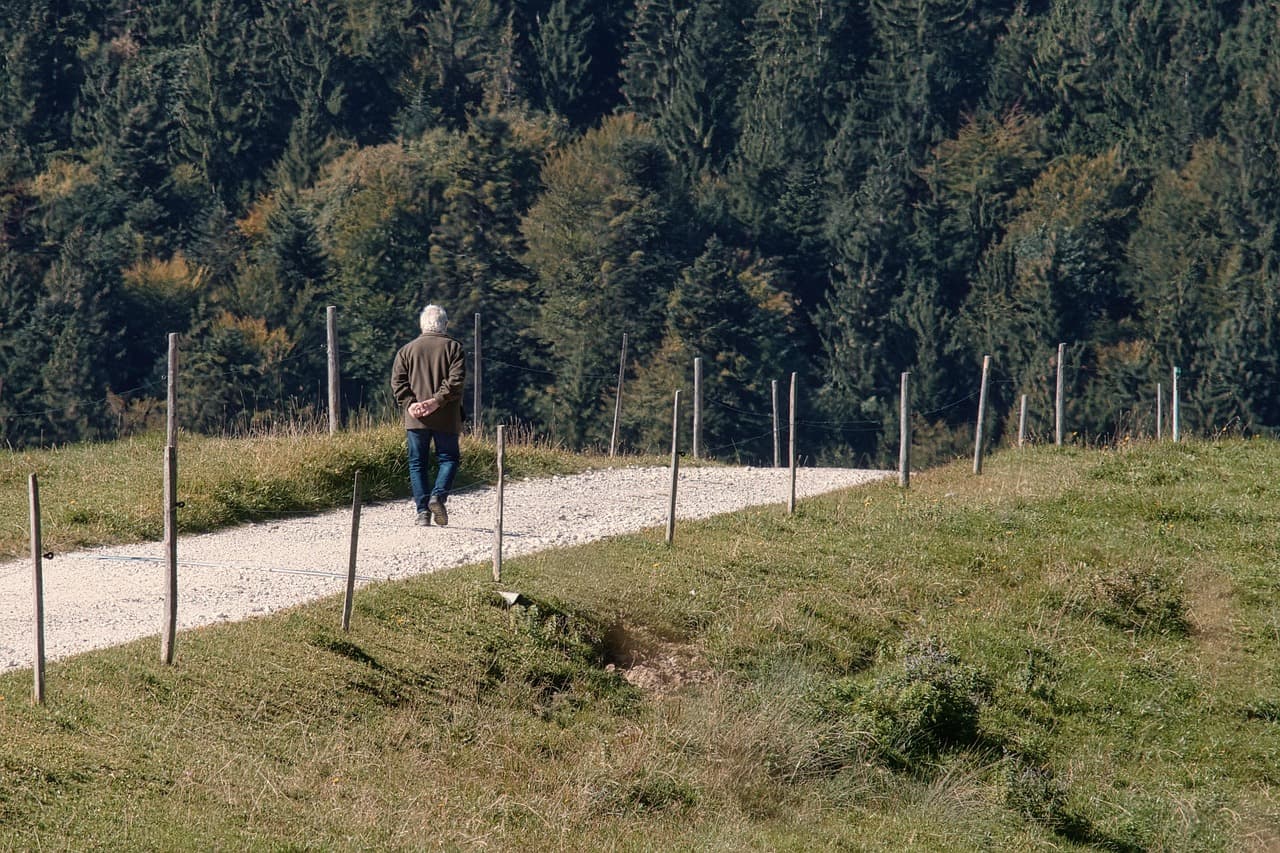
A new client asked me last week what to do on rest days, and I realized it's a question I answer almost as often as the frequency question. People walk in thinking rest days mean "do nothing." That assumption costs them. The strength gains they're chasing don't happen in the gym, they happen between sessions, and what you do on the off-days shapes whether the recovery side of that equation actually works.
That doesn't mean you have to fill every off-day with something structured. Some weeks the right move is a full stop. Other weeks, a 30-minute walk and ten minutes of mobility moves the needle more than another gym session would have. Both are real answers, calibrated to where your body actually is on that day.
The post you're about to read is the framework I give new clients when they ask "what should I be doing on my off days?" It covers what active recovery actually accomplishes, what to do when you have 20 minutes and what to do when you have an hour, how to tell which kind of rest your body is asking for, and the warning signs that mean you should back off the whole week instead.
Why rest day choice matters more after 30
After 30, recovery is the variable that gates how much progress you can sustain. Your training generates the stimulus. Your recovery is where the body actually adapts to it. Get the training right but skip the recovery work and the strength curves stall, the joints start to complain, and motivation slowly drains.
Two specific things change after 30 that put rest day choice in the spotlight. Tissue recovery slows. The same training stimulus that bounced back in 24 hours at 22 now takes 48 to 72 hours to fully consolidate. The rest day matters more because the body is genuinely still in recovery mode when you walk into the next session.
Movement quality matters more too. Sitting at a desk all day on a rest day undoes some of what the prior training session gave you. Hips re-stiffen, the thoracic spine locks back up, the deep core forgets the bracing it was doing. A small amount of structured movement on the off-day protects the work you did the day before. Sitting for ten hours straight, by contrast, makes Monday's training session work harder against the body's drift toward stiffness.
The good news is that the dose of off-day movement that protects training adaptations is small. Fifteen to thirty minutes of low-intensity work hits the mark for most desk workers. Some people thrive on more. Retired clients with the time to split their movement across the whole day often find that two short rest-day walks beat one longer session for how they feel by week's end.
What active recovery actually does
Active recovery is a specific category of off-day movement: low enough intensity that it doesn't add to the recovery debt, but high enough to do real biological work. Three things happen during a light walk or a short mobility flow that don't happen if you spend the same hour on the couch.
Blood flow increases without significant muscle damage. That pumps nutrients toward sore tissue and clears metabolic waste from the prior session. Soreness drops faster on days you move lightly than on days you don't. A 2018 systematic review on active versus passive recovery found that low-intensity activity between sessions reliably reduced perceived soreness and improved next-session performance compared to passive rest, especially in the 24- to 72-hour window after a hard workout.
Joint range gets maintained. Mobility you trained yesterday slowly disappears if you don't use it. A few minutes of moving the joints through full ranges on an off-day costs almost nothing and keeps the adaptations from leaking out. The shoulder you opened up Monday stays open if you do five minutes of arm circles and wall slides Tuesday. Skip Tuesday and you're starting Monday's warm-up from a colder place.
Nervous system stays primed for the next session. Heavy training is mostly a nervous-system event in your thirties and beyond. Active recovery keeps the motor patterns warm enough that the next session doesn't feel like starting from a cold spot. The lifters who move lightly between sessions almost always report better focus and bar speed in the next session compared to the lifters who do nothing.
Sample rest day routines (15 to 60 minutes)
The right routine depends on how much time you have and what your body is asking for. Three versions, all of which work for most over-30 lifters.
The 15-minute version: walk and breathe
When the day is packed and rest day is squeezed between meetings, a 15-minute walk does more than you'd think. Get outside if you can. Don't worry about heart rate. The point is gentle blood flow plus a break from the chair.
If you can, add a few minutes of nasal breathing on the walk. Inhale for four steps through your nose, exhale for six through your nose. That single change shifts the nervous system toward parasympathetic dominance, which is the state recovery actually happens in.
The 30-minute version: walk plus mobility
Twenty minutes of easy walking plus a ten-minute floor mobility flow. This is what I run most often myself and what I'd suggest to most desk-worker clients on a typical rest day.
The mobility piece doesn't need to be elaborate. Five movements, two minutes each: a cat-cow flow, a hip 90/90 switch, a thoracic open book, an ankle pumping stretch, and a child's pose. Most of these are covered as drills in the individual axis posts on the site if you want to read the technique in detail.
The 60-minute version: longer walk plus dedicated mobility session
When you've got the time and the body wants it, an hour split between a longer walk (40 minutes) and a more thorough mobility session (20 minutes) is a real win. This is closer to a low-grade training session than a "rest" but for someone whose work life is sedentary, an active hour on a weekend off-day is one of the best things they can do.
The mobility session at this length should target whichever joints feel stiffest from the prior week's training. The free movement screen is the cleanest way to know which axes need the attention, but most desk workers can intuit it from how they feel sitting at their desk.
Worth separating two things here, because people conflate them. A rest-day walk is for recovery, and its value comes from staying easy. It isn't going to build your aerobic base. If that's what you're after, it's worth finding out where your conditioning actually stands first, since the training that moves those numbers looks different from anything on this page.

How to decide which version your body needs today
The honest answer is to read the signals rather than follow a fixed plan. Here are the four signals I use to calibrate.
Energy. If you wake up feeling fresh and ready, longer or slightly more intense recovery work is fine. If you wake up sluggish or sleep-deprived, the 15-minute walk version probably nets out better than anything more ambitious.
Soreness. Mild soreness that loosens within the first few minutes of moving is the signal to do more movement, not less. Active recovery genuinely helps that kind of soreness. Sharp localized pain, sharp joint discomfort, or soreness that gets worse with movement is a signal to back off and maybe skip the off-day movement entirely.
Sleep the night before. Less than six hours of sleep changes the equation. Recovery happens in sleep, and the cost of skimping shows up across the whole next day. On bad sleep nights, the rest day should bias toward more rest, less stimulus.
Life stress. Heavy work weeks, family crises, illness in the household. All of these tax the same recovery system that recovers from training. When life stress is high, the rest day should be more rest and less activity, even if the body feels okay.
None of these are dealbreakers on their own. A bad night of sleep plus high life stress plus moderate soreness is the combination that means today is a low-day day. One mild signal on its own usually means a normal rest day works fine.
When passive rest is the right call
Some days, the answer is to do nothing structured. That's not a failure of discipline. It's a legitimate recovery strategy, and the over-30 lifters who give themselves permission to actually rest tend to last longer in this whole project than the ones who never do.
Days when passive rest is the right move:
You're sick or fighting off something. Your immune system is using the recovery budget. Don't try to add training stress on top.
You've had a brutal life week — work crunch, travel, family emergency. The body doesn't distinguish between training stress and life stress. Both pull from the same reservoir.
You've trained four or five days in a row at meaningful intensity and you're feeling it. The body is asking for a full reset, not another stimulus.
A scheduled deload week. Every four to eight weeks of consistent training, dropping load and frequency for a week pays off as restored performance on the back end. During a deload, passive rest days are part of the plan, not a deviation from it.
Sleep and food on rest days
Two things matter on rest days that get under-discussed: sleep quality and protein intake. Both are where the actual adaptation happens, and rest days are where you have the most control over them.
Sleep is the bigger one. The strength training literature is consistent that consistent seven-plus hours of sleep correlates with better recovery, better performance in subsequent sessions, and fewer injuries over time. On rest days, give yourself the buffer to actually get there. Earlier dinner, less screen time after 9, lights low in the bedroom for the last hour. The standard sleep hygiene advice is standard because it works.
Protein doesn't take a day off. The body is repairing tissue continuously, and the daily protein floor matters more than the timing around any single session. A common pattern I see is people who train hard and eat well on training days, then under-eat protein on rest days because they don't "feel hungry." That's a missed opportunity. Hit your daily protein number whether you trained that morning or not.
Hydration matters too, but it's less variable. Most people drink reasonably enough water that it's not the limiting factor. Sleep and protein are.
Warning signs that mean a full deload, not just a rest day
A normal rest day handles a normal level of accumulated fatigue. Sometimes the body is asking for more than that. Four signals that mean it's time to back off the whole week rather than push through.
Resting heart rate elevated by 5 to 10 beats per minute over your baseline for two or more mornings in a row. That's a parasympathetic nervous system signal that the body hasn't fully recovered from prior load.
Mood and motivation noticeably dropping. The lifts you usually look forward to feel like obligations. Walking into the gym feels heavy rather than energizing. That's a nervous system signal, not laziness, and pushing through it usually doesn't work.
Sleep quality drops despite the same routine. Cortisol stays elevated, sleep turns shallow, and the morning grogginess hangs around longer than usual.
A specific joint or tissue complaint that's been escalating across sessions rather than improving with recovery. That's a load tolerance issue, and another rest day won't fix it. Drop the load on the relevant lifts, or stop them entirely for a week, and see if it resolves.
If two or more of these line up, the move is to take a deload week rather than continue the normal rotation. Drop sets and reps by roughly 30 to 50 percent, keep the frequency, and let the body catch up. Most lifters come out of a planned deload stronger than they went into it.
Where to go from here
The training-and-recovery balance is one of the most personal pieces of strength work. What loads your body recovers from depends on your sleep, your stress, your nutrition, your age, your sport background, and a dozen other variables. The honest answer to "what should I do on rest days?" is that it depends on what your body is actually telling you and what your week ahead looks like.
If you want a starting point that pairs with the rest of the strength training framework on the site, the training frequency post covers how to choose 2, 3, 4, or more days per week, and the rest-day prescription scales with that choice. The strength training for longevity beginner's guide covers what to do on the training days themselves.
If you want to see where your body's current mobility limits are — and what to bias your rest-day mobility work toward — the free movement screen covers the six joints that most often dictate strength training capacity. Twelve questions, five minutes, no email. It runs the same assessment I do with new clients before we touch a barbell.
If you want eyes on your actual training rhythm and a recovery plan built around your specific life, that's what one-on-one training is for. I've logged over 12,000 sessions, most with desk workers, hobbyists, and retired clients in San Jose and the Bay Area, and the rest-day question is one I help people answer almost weekly. The right rhythm comes from matching the recovery to the life you're actually living, not from a generic template.
Ready to train smarter?
Get a personalized program built around your goals, your body, and your schedule.
Book Your Free ConsultationRelated Articles

Deadlift Setup for Over 30 Lifters: A Trainer's Guide
The deadlift setup is what determines how the rest of the lift feels. Here's the conventional setup, the four variations that work for tighter bodies, and the mobility prerequisites that make any of them clean.
Hamstring Flexibility Test at Home: Score Your Tight Hamstrings
Three at-home hamstring flexibility tests with pass/fail thresholds and five drills to loosen tight hamstrings from sitting. A San Jose trainer's guide for desk workers.

When Work Stress Should Change How You Train: A Busy Professional's Guide
A San Jose trainer's framework for knowing when life stress should change your workout — five honest signs, a green/yellow/red week decision system, and how to come back without losing the strength you built.