
Grip Strength Test at Home: How to Measure It and Build It After 40

Jeffrey Sun, ACE-CPT
May 27, 2026 · 10 min read
ACE-certified personal trainer specializing in functional movement, mobility, and strength training for busy professionals in San Jose and the Bay Area.
Book a free consultation →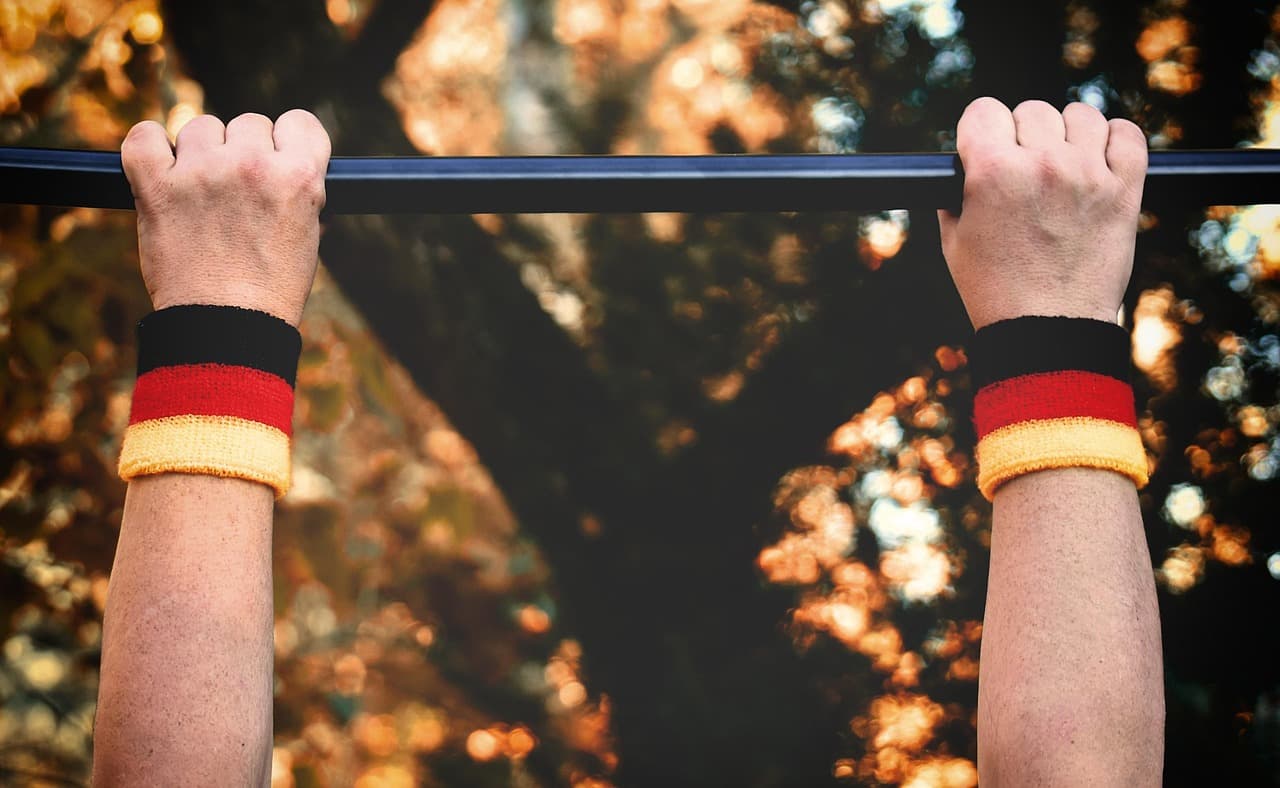
On a heavy deadlift, the first thing to quit usually isn't the legs or the back. It's the hands. The bar starts to roll toward the fingertips, the grip peels open, and the set ends early even though everything else had more to give. I've seen it plenty in the studio, usually with someone who's strong everywhere except the part that connects them to the weight.
Grip is one of those things nobody trains directly until it becomes the bottleneck. Then they realize it's been quietly capping their strength for years. The good news is you can measure where yours stands in about a minute, at home, with nothing but a bar to hang from. And if it's behind, it comes back faster than almost anything else I coach.
Why grip strength is worth paying attention to after 40
Grip gets talked about as a longevity marker, and there's something to that. Researchers keep finding that how hard you can squeeze tracks with a lot of other things about your health, which makes sense once you stop thinking of it as a hand thing. Your grip is downstream of your forearms, your shoulders, your nervous system, and how much hard physical work your body still does. It's a cheap window into total-body strength.
I'd be careful about reading too much into it, though. A strong grip doesn't make you healthy any more than a nice resting heart rate makes you a runner. It's a sign, not a cause. What I actually care about with my clients over 40 is the practical side. Grip is what lets you carry both grocery bags in from the car in one trip, hold a toddler who's decided to go limp, open the jar without handing it to someone, and catch yourself on a railing if your foot slips. Those are the moments where people first notice it slipping, and they're the moments worth protecting. Grip is just one piece of staying strong as you age, but it's an easy piece to measure and a satisfying one to fix.
How to test your grip strength at home
The cleanest home test is a dead hang. No dynamometer, no equipment beyond a bar that holds your weight. A pull-up bar, a sturdy tree branch, the edge of a playground structure, all fine.
Here's how to run it. Grab the bar with both hands about shoulder-width apart, palms facing away. Wrap your thumbs around so they meet your fingers. Step off whatever you're standing on and let your arms go straight, taking your full weight. Start a timer. Hang until your grip genuinely gives out, not until it gets uncomfortable. Those are two different moments, and the gap between them is the part people fudge.
A few things to keep honest. Don't bounce or readjust your hands halfway through, that resets the clock in real life even if you keep hanging. Keep your shoulders slightly engaged rather than fully shrugged up around your ears. And breathe. People hold their breath and tap out early because they feel like they're suffocating, not because their hands failed.
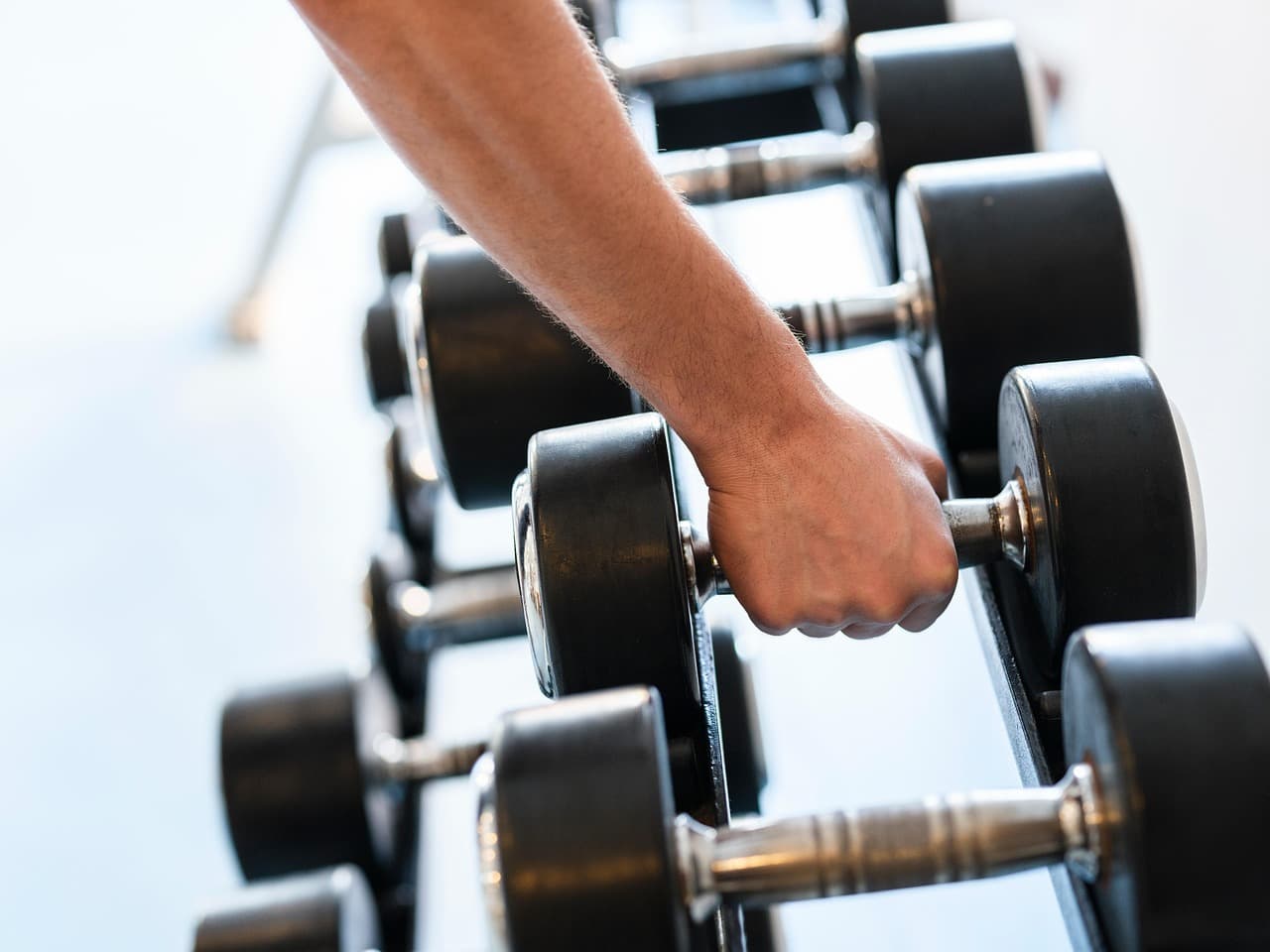
If you don't have anything to hang from, a farmer's carry hold works as a backup. Pick up a heavy dumbbell or kettlebell in each hand, stand tall, and time how long you can hold them at your sides before your fingers start to open. It's not identical to a hang, but it tells you something similar about your support grip.
What counts as a decent dead hang after 40
I'll give you rough ranges, with a caveat first: your own trend over a few months tells you far more than where you land against a chart on day one. Hand size, body weight, and whether you've ever trained pulling all move the number around. Someone who weighs more is hanging more weight, so a shorter time isn't automatically a weaker grip.
That said, here's the ballpark I use. Under about 30 seconds, there's real room to build, and you'll probably see quick progress. Thirty to sixty seconds is a solid, functional grip for most people who aren't training it specifically. Past a minute is strong, the kind of grip that won't be the thing limiting you in daily life or in the gym. After 50 or 60, I'd shade all of those down a bit, and I care even less about the absolute number. What I want to see is the time holding steady or climbing year over year instead of quietly dropping.
If your first attempt is short, that's information, not a verdict. I've had clients in their fifties go from a fifteen-second hang to over a minute in a couple of months of consistent work. Grip responds.
The different ways your grip actually gives out
Grip isn't one thing, which is why people get surprised by their own weak spots. There are a few distinct jobs your hands do.
Crushing grip is squeezing something closed, like a handshake or a spring gripper. It's the one people think of first and the one that matters least for daily life.
Support grip is holding onto something without it slipping, which is what a dead hang and a farmer's carry test. This is the one that shows up when you're carrying luggage through an airport or hanging off a ladder. For most of the people I train, this is the grip worth building.
Pinch grip is the thumb working against the fingers, like carrying a stack of plates or a sheet of plywood by its edge. It's the weakest for almost everyone because it's the least trained.
You don't need to obsess over all of these. But knowing support grip is the practical one tells you where to spend your time.
The moves I use to build grip after 40
The thing about grip is that you build most of it by doing other lifts and just refusing to make them easier on your hands. You don't need a separate forearm day.
Dead hangs are the simplest. The same thing you tested with is also the training. Hang for as long as you can, rest, repeat for a few sets. A couple of minutes of total hang time a few days a week does a lot, and it's kind to your shoulders as a bonus.
Farmer's carries are my favorite for this. Pick up something heavy in each hand and walk with tall posture, shoulders down, core braced. Your grip has to hold the whole way. Carries build support grip, postural endurance, and core stability all at once, which is why I program them for almost everyone.
Heavier deadlifts and rows, done with less reliance on straps, are where a lot of grip gets built without any extra effort. If you're already pulling, the bar is right there asking your hands to keep up. If you want to dig into pulling technique itself, I wrote a full breakdown of deadlift setup for people over 30 that pairs well with this.
Plate pinches target the pinch grip nobody trains. Grab a weight plate by its smooth side, thumb on one face and fingers on the other, and hold it at your side until it slips. Start light. The thumb gives out faster than you'd expect.
You don't need all four. Pick a hang and a carry, do them consistently, and you've covered the grip that matters for daily life.
Fitting grip work into your week without frying your forearms
The forearms recover quickly, but they're not bottomless, and the people I train are usually fitting training into demanding work weeks. So I keep grip work tacked onto things they're already doing rather than turning it into a project.
A typical setup looks like a set or two of dead hangs at the end of an upper-body day, and a few heavy carries to finish a session once or twice a week. That's it. The carries double as conditioning, so they earn their spot even when time is tight.
If your hands or elbows start aching, that's the signal to back off the volume, not push through. Elbow pain that settles in and stays is worth sorting out properly, and which side of the elbow it sits on changes what you'd do about it. Grip work adds up fast because your hands are also gripping during every other lift you do. For someone training twice a week around a full schedule, less is usually the right call. For someone with more room, you can add a dedicated finisher. There's no single correct dose, only the one that fits the rest of your week and leaves your hands ready for the next session.
What's overrated, and where to start
Spring grippers, the ones you squeeze, aren't useless. They build crushing grip, which is great if you play a sport that needs it or you just like the training. For most people, though, the support grip from hangs and carries carries over more to actual life, so I'd start there before buying a gadget.
Straps come up a lot too. Straps aren't cheating. On a heavy pulling day where your back is the target, they let you train the muscle you're after without your grip quitting first. The trade-off is that if you strap up on every set, your grip never gets a reason to adapt. So it depends on what the day is for. Heavy back day, straps are a tool. Building grip, leave them in the bag.
Where to start is simple. Test your dead hang this week so you have a number. Add a couple of hangs and a couple of heavy carries to what you're already doing. Retest in a month or two.
One number on its own is thin, though. If you want a second one next to it, the push-up test measures upper-body strength endurance rather than how long you can hold on, and it tends to fail for entirely different reasons. Between the two you get a much better read on where your upper body actually stands.
One more thing worth checking. If your hang is cut short by your shoulders complaining rather than your hands, that's usually a mobility issue, not a grip issue, and it's worth knowing the difference. Our free movement screen walks you through where your shoulders, hips, and the rest of your big joints actually stand. It won't score your grip, but it'll flag whether something upstream is getting in the way, and it takes about five minutes.
And if you'd rather have someone watch how you move and build the whole thing around your body and your schedule, that's what one-on-one training is for. I've logged more than 12,000 sessions, plenty of them with people over 40 who came in strong everywhere except the hands and left with a grip that finally kept up. If you're in San Jose or the South Bay, the first conversation is free.
Ready to train smarter?
Get a personalized program built around your goals, your body, and your schedule.
Book Your Free ConsultationRelated Articles
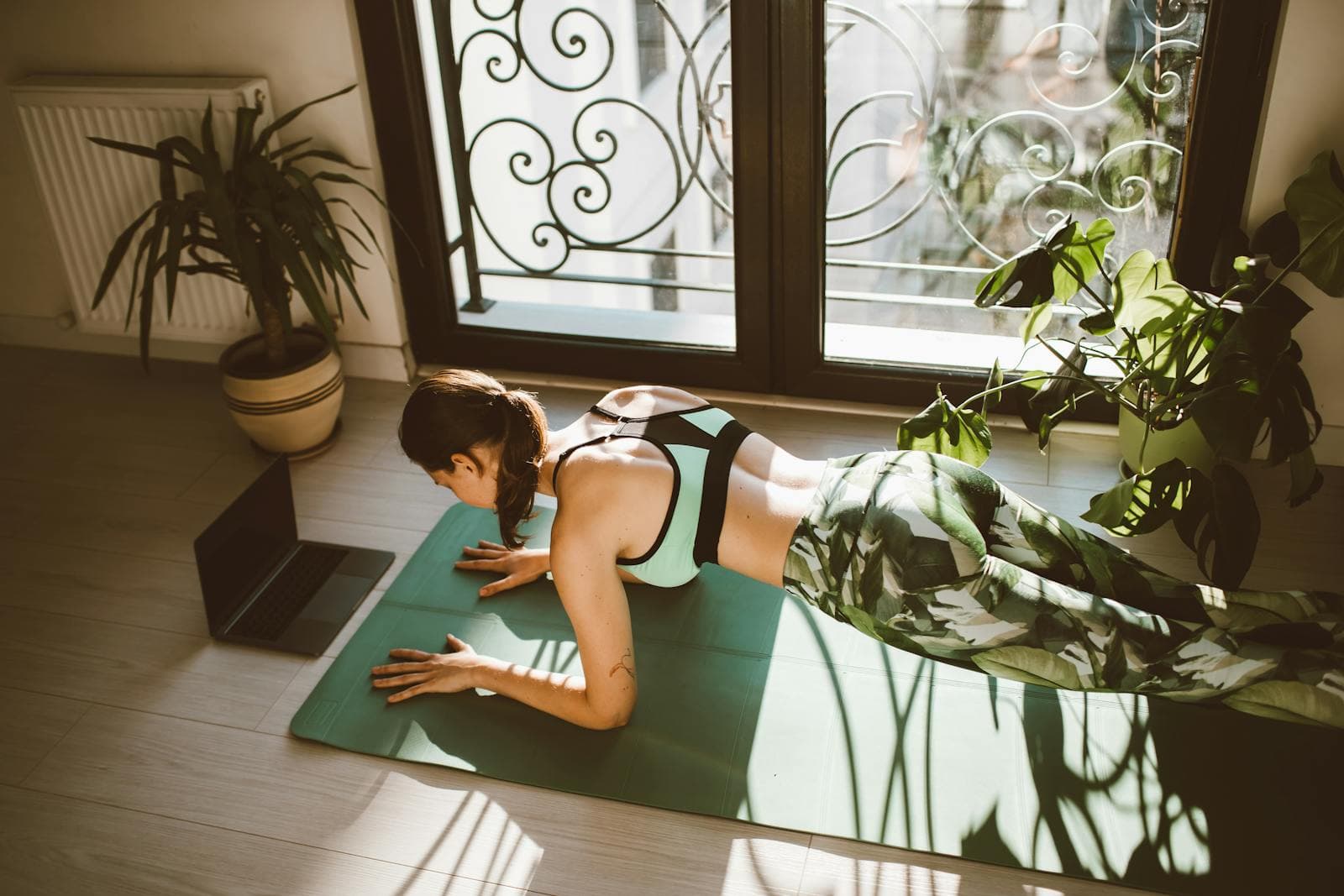
Core Stability Test at Home: 3 Checks for Desk Workers
Three at-home core stability tests with pass/fail thresholds and five drills to build the deep core function that prevents low back pain. A San Jose trainer's guide.
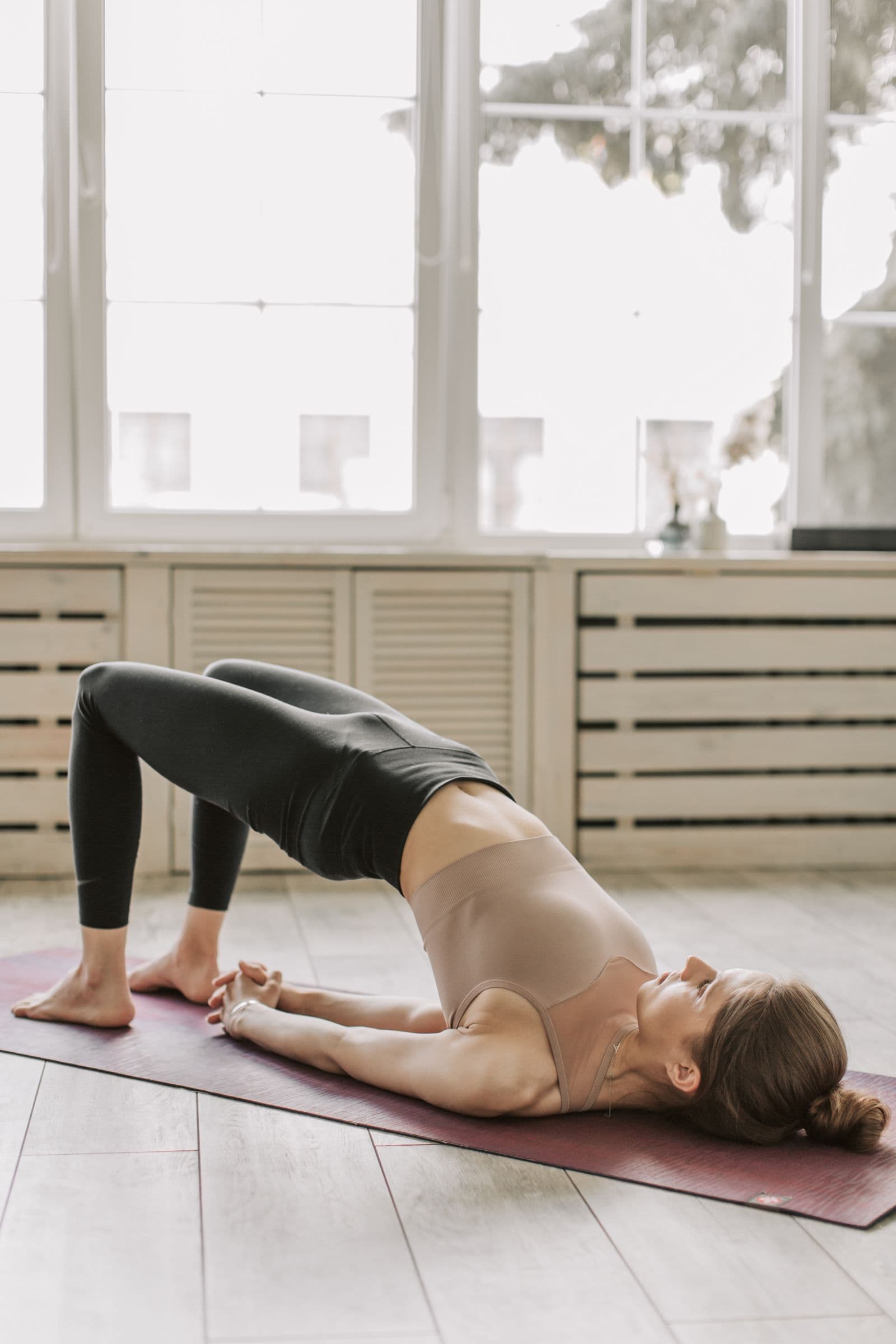
Do your glutes actually fire? A three-part dead butt syndrome test you can score at home
Dead butt syndrome has a real mechanism and a real test. A San Jose trainer walks through three glute activation checks with pass, borderline, and fail lines, what each result means for your back and knees, and a four-week plan to wake the muscles back up.
Test your muscle power at home after 40: three leg power tests you can score, and why power fades before strength
Muscle power drops years before strength does, and no gym number catches it. A San Jose trainer walks through a sit-to-stand power test, a stair power test, and a vertical jump with pass, borderline, and fail lines, then sorts a low score into the four things that cause it.