
How much protein do you actually need after 40 to build and keep muscle?

Jeffrey Sun, ACE-CPT
July 7, 2026 · 10 min read
ACE-certified personal trainer specializing in functional movement, mobility, and strength training for busy professionals in San Jose and the Bay Area.
Book a free consultation →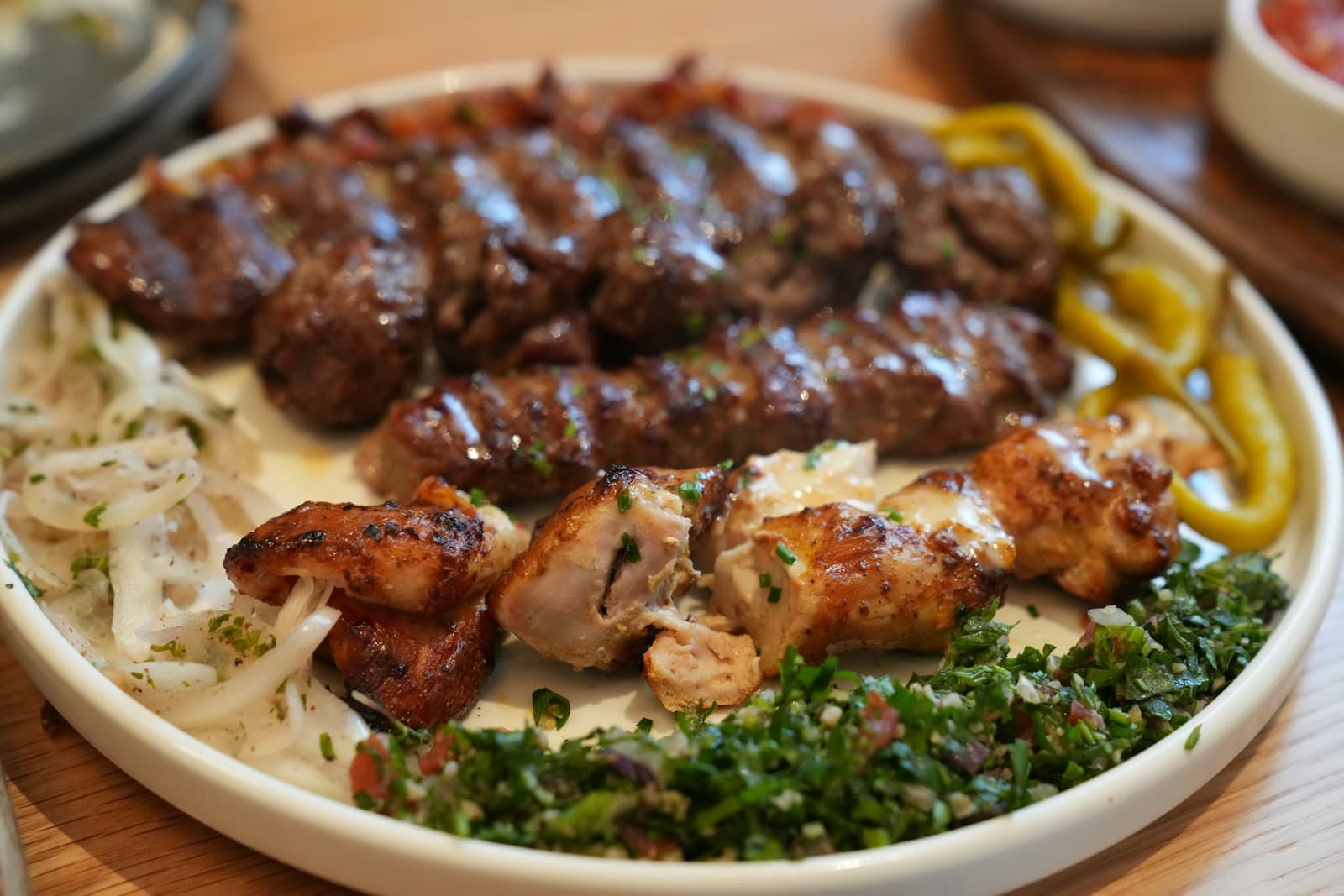
A client of mine, mid-forties, had been strength training consistently for four months and wasn't seeing the strength or body composition changes he expected. His program was solid. His consistency was good. When I asked him to track what he actually ate for three days, the answer was about 70 grams of protein a day. For a 190-pound man training hard three times a week, that's less than half of what his body needed to respond to the work he was putting in.
This is the most common nutrition gap I see in clients over 40. Not extreme undereating, not a broken metabolism, just protein intake that made sense for someone sitting at a desk and doesn't make sense for someone asking their body to build or keep muscle. The fix is usually simpler than people expect once they know the actual number to target.
Why the internet's protein advice is either extreme or useless
Search "how much protein do I need" and you get two answers. Bodybuilding forums say 1.5 to 2 grams per pound of body weight, numbers built around competitive physique athletes running enhanced training volumes most people will never approach. General health sites say 0.36 grams per pound, which is the RDA, a number calculated to prevent deficiency in a sedentary adult, not to support someone lifting weights three times a week in their forties or fifties.
Neither number is wrong for its intended audience. Neither is right for you.
The number that actually applies to most adults over 40 who strength train sits between those two extremes, closer to the bodybuilding number than the RDA, but well short of what a competitive athlete eats. Getting specific about where you actually land removes most of the confusion.
The actual number: 0.7 to 1 gram per pound of body weight
For most adults over 40 doing regular strength training, somewhere between 0.7 and 1 gram of protein per pound of body weight per day covers what the body needs to build and maintain muscle.
A 150-pound person lands around 105 to 150 grams daily. A 170-pound person lands around 120 to 170 grams. A 200-pound person lands around 140 to 200 grams.
Where you fall in that range depends on a few things. People newer to strength training, or in a phase of trying to build meaningfully more muscle, do better toward the higher end. People who've been training for years and are mostly in a maintenance phase can often do fine toward the lower end. Body fat percentage matters too. Someone carrying more body fat doesn't need to calculate protein off their full body weight; lean body mass is the more accurate basis, though total body weight is a reasonable estimate for most people who aren't significantly overweight.
This range is higher than general population guidelines for a specific physiological reason, and it's worth understanding why, because it's the part most protein advice skips entirely.
Why aging muscle needs more protein for the same result
The mechanism is called anabolic resistance, and it's one of the more consistently observed changes in how the body handles nutrition as you age. A review of protein requirements in older adults names anabolic resistance as the reason older adults combining protein intake with resistance training need more than general population guidelines, recommending roughly 1.0 to 1.6 grams per kilogram of body weight (about 0.45 to 0.7 grams per pound). This post's range runs slightly higher because it's built for people actively strength training with intent to build muscle, not just preserve it, but the underlying mechanism and direction are the same.
In your twenties, a moderate amount of protein triggers a strong muscle protein synthesis response. The machinery that turns dietary protein into muscle tissue is efficient. By your forties and beyond, that same amount of protein triggers a smaller response. The receptors and signaling pathways involved become less sensitive, so it takes more raw material to produce the same building signal.
Practically, this means the protein intake that maintained your muscle at 25 will undermaintain it at 45, even if your training and activity level haven't changed. This isn't a failure of willpower or a sign anything is wrong. It's a normal shift in how efficiently the body uses what you feed it, and the fix is straightforward: eat more of it than you used to.
This is also why the "just eat what feels natural" approach to protein tends to fail quietly over years. Appetite and hunger cues don't automatically recalibrate to the new requirement. Most people have to deliberately target the number rather than trust that eating normally will land them there.
What this actually looks like on a plate
Numbers on a page don't help much until you see what they mean in real food. Here's roughly what 140 grams of protein looks like across a day, which is a reasonable target for someone around 170 to 180 pounds who's strength training regularly.
Breakfast: three whole eggs plus a cup of Greek yogurt gets you to about 35 grams.
Lunch: six ounces of chicken breast or a can of tuna gets you to about 40 grams.
A snack: a protein shake with a scoop of whey gets you to about 25 grams.
Dinner: six ounces of salmon, beef, or chicken gets you to another 40 grams.
That's 140 grams without anything exotic. No powders required beyond one shake, no extreme meal prep, no organ meats or unusual foods. The gap between where most people land (60 to 90 grams) and where they need to be (120 to 170 grams) is usually one or two servings a day, not a complete diet overhaul. Getting this number right also does more for you than anything else on the supplement shelf, which is worth remembering before you go shopping. Creatine is the one I think earns its place, and it still sits well below protein on the list.

Does protein timing matter, or just the daily total?
Total daily intake matters more than timing, but timing isn't nothing, and it matters somewhat more after 40 than it did at 25.
Muscle protein synthesis responds to a meal with roughly 25 to 40 grams of protein in it, then that response tapers off over the next few hours regardless of how much protein you keep eating in that window. Getting the same 140 grams in one large meal versus spread across four meals of 35 grams each produces meaningfully different results, because the four-meal approach gives you four separate stimulation windows instead of one.
This matters more after 40 because each individual window is less efficient than it used to be, per the anabolic resistance discussed above. Getting more discrete opportunities to trigger the response is one of the few free levers available to offset that reduced per-meal efficiency.
Practically: aim for 3 to 4 protein-containing meals or snacks across the day, each with at least 25 to 30 grams, rather than skipping breakfast and trying to hit your number in two large meals. This isn't about a narrow anabolic window right after training, which matters far less than fitness culture used to claim. It's about total distribution across the day.
The mistake I see most often: undereating on rest days
A specific pattern shows up constantly. Clients eat well on training days because they're thinking about their workout, then quietly under-eat on rest days because there's no session to plan food around.
Muscle isn't built during the workout. It's built during the recovery period after the workout, using the protein you eat in the days that follow. A hard training day followed by a low-protein rest day undercuts the exact repair process the training was meant to trigger. Your protein target doesn't take rest days off, even though your training does.
If you're tracking anything, tracking protein on your two lowest-activity days of the week usually reveals more than tracking it on training days, because that's where the gap tends to hide.
The same blind spot is behind a lot of stalled fat loss phases. If the scale has stopped moving and your protein is already dialed in, the problem is usually one of four things that have nothing to do with protein.
What about too much protein: is there a downside?
For a healthy adult with normal kidney function, there's no strong evidence that protein intake in the 0.7 to 1 gram per pound range causes harm. The kidney damage concern that circulates around high protein diets comes from research on people with pre-existing kidney disease, where any protein load matters differently. It's not evidence against protein intake in this range for someone with healthy kidneys.
The more realistic downside of overshooting protein significantly is opportunity cost, not toxicity. Calories spent on protein you don't need are calories not going toward carbohydrates that fuel harder training sessions or fats that support hormone production. There's a ceiling where more protein stops adding value, but for most people reading this, the problem is being well under the target, not over it.
If you have a diagnosed kidney condition, talk to your doctor before making significant changes to protein intake. For everyone else in normal health, the range above is a reasonable target without special concern.
What to do with this information
If you've been training consistently and progress has felt slower than it should, tracking your protein intake for three days, honestly, without trying to hit a number, is the fastest way to find out if this is part of the story. Most people are surprised by the gap between what they assumed they were eating and what they actually logged.
If the gap is real, close it gradually rather than all at once. Adding one protein-forward meal or snack a day for two weeks is more sustainable than trying to double your intake overnight. The strength training results timeline covers what to expect week by week once training and nutrition are both dialed in, and protein intake is one of the biggest levers that determines whether you land on the faster or slower end of that timeline.
If you're not sure whether your training program itself is the bigger issue, the movement screen is a free five-minute assessment that flags whether mobility restrictions are limiting how much you can actually load in training, which matters just as much as what you eat.
And if you want a coach looking at both sides of the equation, training and nutrition together, come work with me. I've coached more than 12,000 sessions with adults over 40 in San Jose and the Bay Area, and protein intake is one of the first things I check when someone's progress has stalled. It's usually an easier fix than people expect.
Ready to train smarter?
Get a personalized program built around your goals, your body, and your schedule.
Book Your Free ConsultationRelated Articles
Why the scale stalls: losing fat without losing muscle after 40
A stalled scale has four common causes, and they need four different fixes. A San Jose trainer's guide to body recomposition after 40, and how to run a calorie deficit without giving back the muscle you trained for.

Hydration and Electrolytes for Strength Training After 40: What Changes and What to Actually Drink
A San Jose trainer's practical guide to hydration and electrolytes for lifters over 40 — what shifts in your body, what to drink before, during, and after a session, and when cramps are a hydration issue versus a programming one.

Test your muscle power at home after 40: three leg power tests you can score, and why power fades before strength
Muscle power drops years before strength does, and no gym number catches it. A San Jose trainer walks through a sit-to-stand power test, a stair power test, and a vertical jump with pass, borderline, and fail lines, then sorts a low score into the four things that cause it.