
Meal Prep for Busy Professionals Who Work Out

Jeffrey Sun, ACE-CPT
April 1, 2026 · 7 min read
ACE-certified personal trainer specializing in functional movement, mobility, and strength training for busy professionals in San Jose and the Bay Area.
Book a free consultation →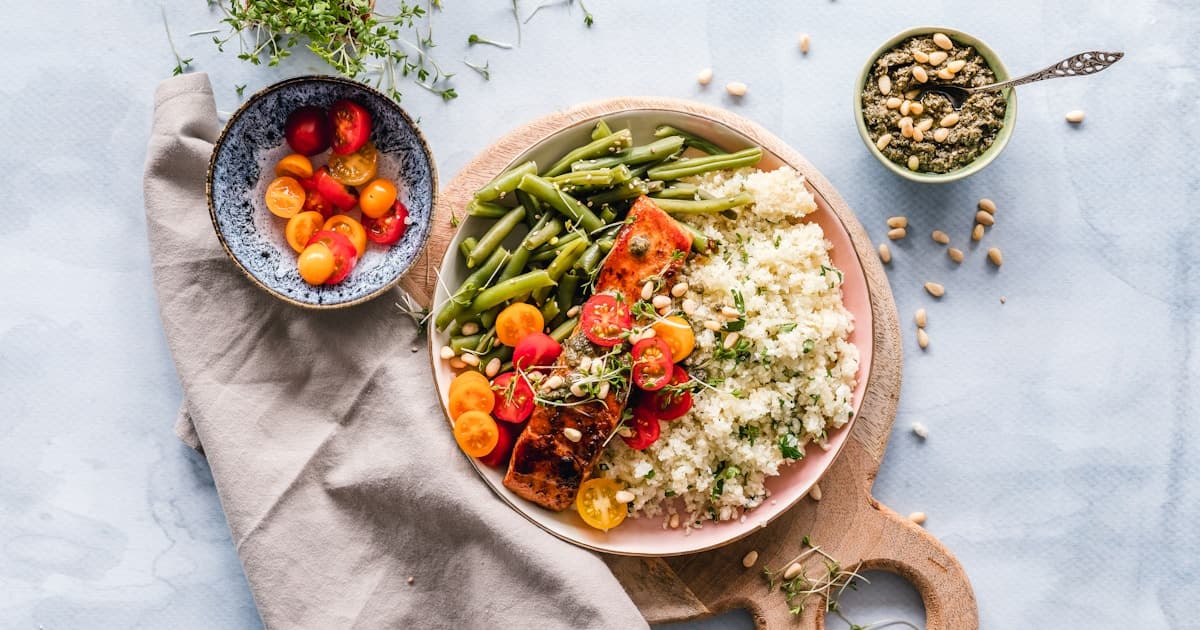
I had a client a couple years back, a software engineer at one of the big San Jose tech shops, training with me three days a week and getting nowhere. Workouts were fine. Sleep was okay-ish. But every time food came up, the story was the same. He skipped breakfast most days, grabbed whatever looked fastest in the office cafeteria, and ordered DoorDash around 9 PM because by then he was too fried to cook.
If any of that sounds familiar, keep reading.
Most of the meal prep advice online was written by people with free time. It usually involves color-coded containers, a dozen ingredients, and most of a Sunday. None of that survives a 55-hour work week with training mixed in. The version below is what my San Jose and South Bay clients actually stick with.
Why meal prep matters more when you train
People hear meal prep and think "eating clean." For someone who trains, that framing misses the actual point. Meal prep is about hitting your protein and carbs at the right times so your muscles recover and your energy doesn't fall off a cliff at 3 PM.
When you train hard and eat randomly:
- Recovery slows down because your muscles aren't getting protein when they need it
- Your energy dies mid-afternoon, which kills motivation to train after work
- You overeat at dinner because you've been running on fumes all day
- You lose muscle and hold onto fat, which is the opposite of why you're in the gym
I've watched this play out more times than I can count. Clients who start prepping, even a sloppy bare-bones version, see changes in a couple of weeks that the training alone wasn't producing.
The 5-container method
Don't try to prep every meal for the whole week. That's how you burn out on Sunday and end up throwing away tupperware on Thursday. Prep five lunches. Leave the rest flexible.
Lunch is specifically where busy people blow it. Mid-workday, stressed, and the easiest option is the burrito place across the street or just skipping. Five prepped containers kill that decision before it happens and keep you fueled for afternoon training.
How it works
Pick one protein, one carb, one vegetable. Don't overcomplicate this.
Combinations that work well:
- Chicken thighs + jasmine rice + roasted broccoli
- Ground turkey + sweet potatoes + sauteed spinach
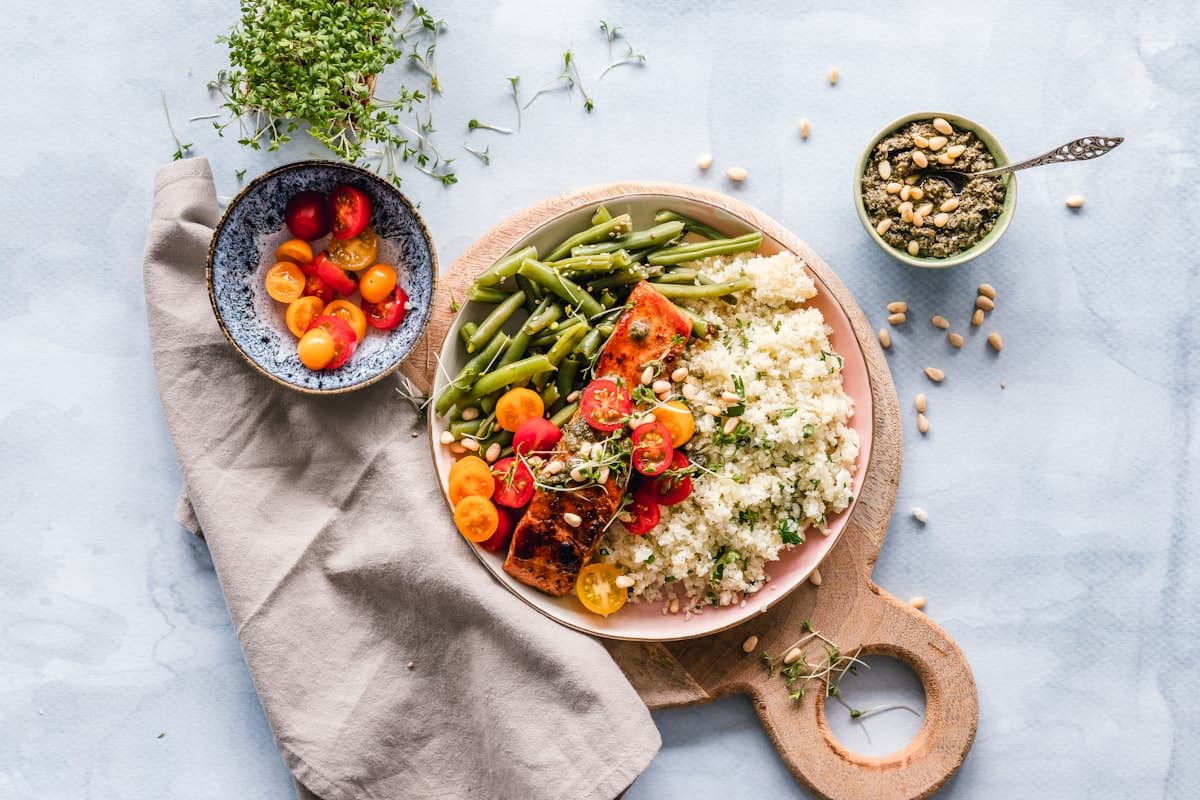
- Salmon fillets + quinoa + roasted bell peppers
- Steak strips + brown rice + green beans
- Shrimp + rice noodles + snap peas and carrots
One sheet pan, or two pots and a baking tray. Sunday afternoon, sixty to ninety minutes. Some of my clients do it while watching football. Boring is the whole point. Boring is what sticks.
For portions, each container should have roughly a palm-sized amount of protein (30-40g), a fist-sized amount of carbs, and two fists of vegetables. You don't need to weigh anything. If you're training regularly and eating this way, your body composition will move in the right direction.
What to eat around your workouts
Timing matters, though not in the anabolic-window-count-your-minutes sense. I care about how you actually feel during the session. What you drink around lifting is the other half of that, and it shifts after 40.
Pre-workout (1-2 hours before)
You want carbs and moderate protein. Fat slows digestion, and that's the last thing you need before goblet squats.
Good options:
- Rice cake with banana and a thin layer of peanut butter
- Oatmeal with berries
- A small wrap with turkey and rice
If you train right after work and your last real meal was lunch at noon, eat something small thirty to forty-five minutes beforehand. A banana works. A granola bar works. An eight-hour gap before lifting is why people feel weak in their evening sessions.
Post-workout (within 2 hours)
This is when protein matters most. Your muscles are ready to absorb amino acids and start repairing. Shoot for 30 to 40 grams of protein and some carbs.
If you train before dinner, just make sure dinner has protein. If you train in the morning, your prepped lunch covers it. If you train at lunch, keep a protein shake or Greek yogurt at the office.
The 20-minute grocery run
Something I've noticed about my South Bay clients: they either spend ninety minutes wandering Whole Foods or they don't go at all. The list below covers your five lunches plus breakfast and snacks.
Proteins (pick 2): 2 lbs chicken thighs, 1 lb ground turkey, 1 lb salmon, 1 lb flank steak, or 1 lb shrimp.
Carbs (pick 2): jasmine or brown rice (one bag lasts weeks), sweet potatoes (4-5), quinoa, or rice noodles.
Vegetables (pick 3): broccoli (2 crowns), bell peppers (4-5), spinach (one bag), green beans (one bag), or zucchini (3-4).
Staples: eggs (one dozen), oats, bananas, Greek yogurt, olive oil, salt, pepper, garlic.
You can fill that cart in under 20 minutes at Safeway, Trader Joe's, or Ranch 99, all within a short drive if you're anywhere in San Jose.
Mistakes I keep seeing
Prepping food you don't actually like. If you hate plain chicken breast, stop making plain chicken breast. Use thighs instead, or season it properly, or add a real sauce. The meal you'll actually eat beats the "optimal" meal you throw away Wednesday.
Not prepping enough. I can't count how many times someone tells me they prepped but ran out by Tuesday. If you're training hard, you need more food than you think. Leftovers beat the vending machine at 3 PM.
Ignoring snacks. Your lunches are the foundation, but you need something for the gaps. Keep mixed nuts, protein bars (20g+ protein, under 10g sugar), beef jerky, apples, or string cheese at your desk or in your bag.
Turning it into a project. As soon as meal prep starts feeling like a culinary event, you'll quit. Simple and repeatable is what works long-term. Save the ambitious cooking for date night.
What a real week looks like
One of my clients is a product manager in her mid-30s who trains with me Monday, Wednesday, and Friday mornings in San Jose. Here's her routine:
Sunday she spends about 75 minutes prepping. Bakes chicken thighs, roasts sweet potatoes and broccoli, portions everything into five containers, and hard-boils a dozen eggs.
Breakfast Monday through Friday is two hard-boiled eggs and oatmeal with banana. Five minutes.
Lunch is the prepped container. Two minutes in the microwave at the office.
On training days she makes a shake before work: protein powder, frozen berries, spinach, almond milk.
Dinner is flexible. She cooks something simple three or four nights and orders out once or twice. Because breakfast and lunch are already handled, dinner doesn't need to be perfect.
She dropped twelve pounds in three months and never counted a calorie. No formula. What actually changed is that she stopped making food decisions while tired and stressed.
Start this week
You don't need to overhaul your diet. This Sunday, pick a protein, a carb, a vegetable, cook them plainly, and portion them out. Run that for two weeks. Most people notice they've got more energy during workouts and aren't reaching for garbage at 3 PM.
If you want help figuring out nutrition alongside training, that's part of what I do with busy professionals around the Bay Area. Food comes up in almost every session. Over 12,000 of them at this point. If you're ready to talk, book a free consultation.
Ready to train smarter?
Get a personalized program built around your goals, your body, and your schedule.
Book Your Free ConsultationRelated Articles

Hydration and Electrolytes for Strength Training After 40: What Changes and What to Actually Drink
A San Jose trainer's practical guide to hydration and electrolytes for lifters over 40 — what shifts in your body, what to drink before, during, and after a session, and when cramps are a hydration issue versus a programming one.

Personal Training for Stress Relief in the Bay Area
Burned out from tech work? Bay Area professionals are finding personal training is the most effective stress relief tool. A San Jose trainer explains why.

When Work Stress Should Change How You Train: A Busy Professional's Guide
A San Jose trainer's framework for knowing when life stress should change your workout — five honest signs, a green/yellow/red week decision system, and how to come back without losing the strength you built.