
Sleep and muscle recovery for strength training after 30: a coach's playbook

Jeffrey Sun, ACE-CPT
June 14, 2026 · 12 min read
ACE-certified personal trainer specializing in functional movement, mobility, and strength training for busy professionals in San Jose and the Bay Area.
Book a free consultation →
A client of mine in his early forties hit a plateau on every main lift for six weeks. His program was fine. His protein intake was fine. His training frequency was fine. We ran through everything for thirty minutes before I asked the question that turned out to matter. How are you sleeping. He shrugged. Five and a half hours, maybe six. Has been for the last two months since the kid started teething.
That was the answer. Not the program, not the protein, not the volume. He was trying to add weight to the bar while running a chronic sleep deficit. The body was saying no.
Every desk-worker professional I train who hits a wall on strength gains, recovery time, or mood-to-effort tolerance has a sleep story behind it. Most of them have stopped noticing how rough their sleep is because it's been bad for so long that it feels normal.
This is one of the hidden levers most lifters over 30 don't pull. Get the sleep right and a lot of the training noise gets quiet on its own.
Why sleep matters more after 30 than it did at 25
Growth hormone and testosterone don't just power your training. They run most of the repair process between sessions, and both of them depend heavily on sleep architecture.
Growth hormone secretion peaks during the first cycle of deep sleep, usually within the first ninety minutes of falling asleep. Testosterone production tracks with REM sleep cycles through the night. After your late twenties, the natural baseline of both hormones starts trending down, which means the recovery you do get from each cycle is doing less work than it used to.
If you cut your total sleep from seven hours to five, you're not losing two hours from the end. You're losing the deeper stages that get prioritized later in the night — the exact ones that drive recovery. A 2011 study in JAMA found that one week of sleep restriction to five hours per night dropped daytime testosterone by 10 to 15 percent in healthy young men (source). That's the response in twenty-somethings. The response in a forty-five-year-old desk worker who's been sleep-debted for a year is steeper.
Protein synthesis is the other piece. Most of the actual muscle repair from a training session runs in the background while you sleep. Cut the window and you cut the repair.
You're not just tired. You're under-recovered, and the bar is going to feel heavier than it should.
The minimum bar: how much sleep over-30 lifters actually need
The honest answer is seven and a half to nine hours, depending on the night.
That range matters. If your sleep is deep and you wake up once, seven and a half hours can be enough. If you're surfacing four or five times a night for any reason — kids, partner, snoring, noise, blood sugar dips — you need more total time in bed to bank the same recovery. Hours alone aren't the metric. Total quality is.
The people I see falling short usually fall short in one of two ways. They go to bed at midnight and wake up at six because the kids start at six fifteen. Or they go to bed at ten thirty but get pulled out of deep sleep two or three times by the dog or the bladder or anxiety, and surface tired despite spending eight hours in bed.
If you don't already know what your real sleep looks like, the easiest thing is to wear a watch or ring for two weeks. You're not looking for a perfect score. You're looking for total time asleep and how often the deep stages get interrupted. The data is usually rougher than people expect.
Signs that poor sleep is the reason training feels harder
A few things show up reliably when sleep is the problem and the trainee assumes the problem is something else.
Strength plateaus when nothing else changed. Same program, same nutrition, same week-to-week. The bar should still be moving, even if slowly. When it stops, sleep is one of the first places to look.
DOMS that lingers four to five days instead of two. Most healthy lifters get sore for one to two days after a normal session. Three or four days is a recovery flag. Five-plus, especially after sessions that used to feel routine, almost always points upstream to recovery debt.
Mood and energy mismatch. Tired but wired in the evening, slow but irritable in the morning. The body's stress system is running compensatory cortisol because sleep isn't doing its job.
Stiffness that takes longer to clear in the morning. If it used to take five minutes to feel mobile and now it takes thirty, you're not just aging — you're often under-slept.
Cravings going up. Sleep debt drives ghrelin up and leptin down, so you're hungrier and less satisfied. The 9 PM ice cream urge that wasn't there last month doesn't mean your discipline broke. It means your sleep slid.
If two or three of these show up in the same week, the right move is to bend the training plan around recovery for a few days. Push harder anyway and the hole gets deeper.
The four sleep killers for tech professionals
This is what I see in clients across San Jose, Sunnyvale, and the South Bay every week. The same four patterns, in different combinations.
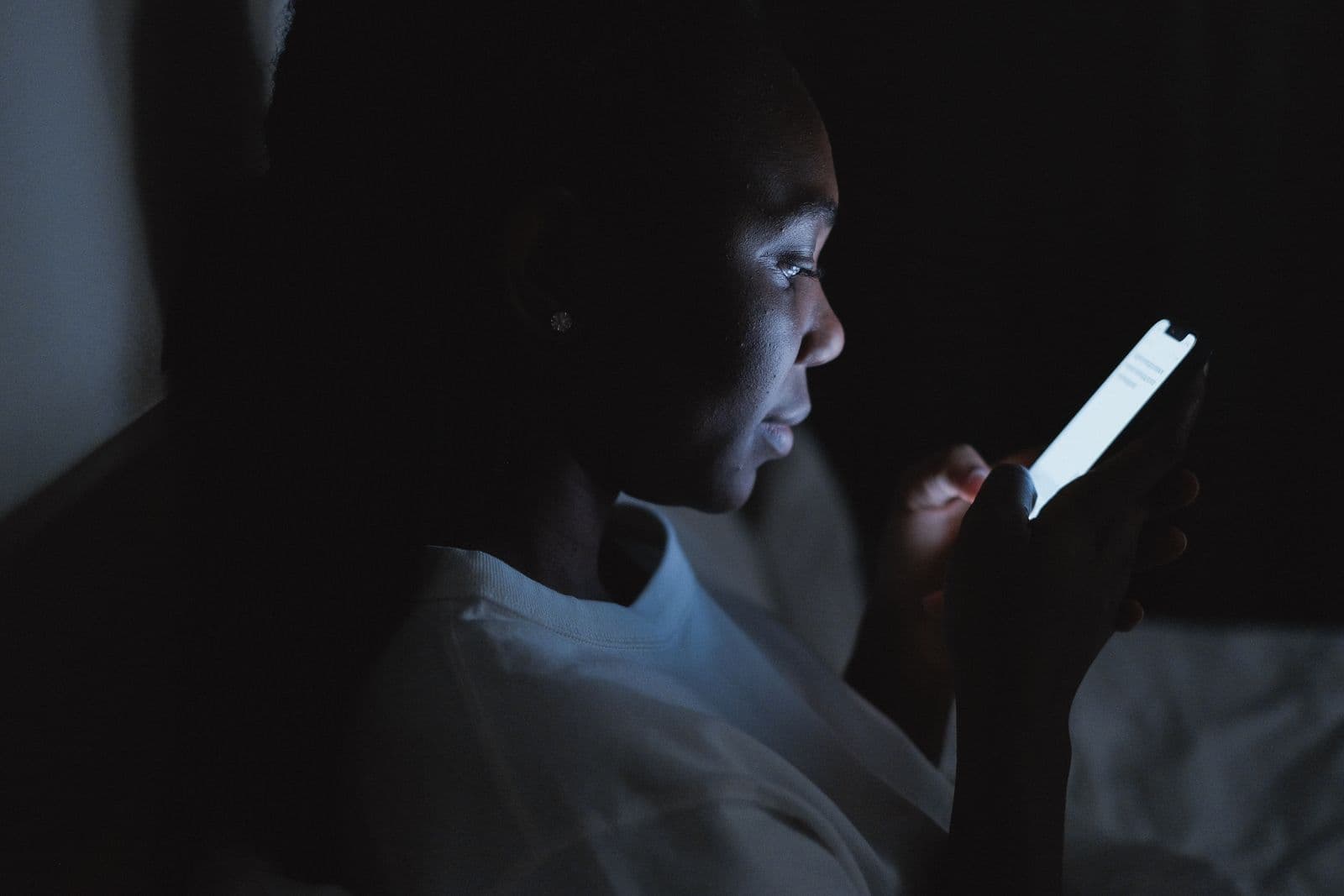
Late screen use. Phones, laptops, TVs after 10 PM. The blue light story is overplayed in the popular literature, but the alertness and emotional activation from scrolling are real. The person who closes a work email at 11 and tries to sleep at 11:05 is asking their nervous system to do an instant shift it can't actually do.
Caffeine drift. A 2 PM coffee. A 4 PM matcha. The drink itself feels fine in the moment, but caffeine has a five to seven hour half-life, longer in slow metabolizers. A 4 PM coffee at 100 mg still has 50 mg active at 9 PM and 25 mg active at 1 AM. That's enough to lighten the sleep architecture even if you fall asleep at the usual time.
Late workouts. Training after 8 PM raises core body temperature and sympathetic activation for hours. Some people sleep fine after late workouts. Many don't. If you're consistently lying awake for thirty to sixty minutes after late training, the workout timing is part of the picture.
Alcohol with dinner. Two drinks with dinner is the most under-discussed sleep wrecker I see. It puts people to sleep fast and then fragments the second half of the night when REM tries to consolidate. The next morning feels like seven hours of sleep when it was effectively five. This one comes up often enough that I went through what the dose-response research on alcohol and recovery actually shows separately, including why the muscle-protein numbers everyone quotes don't apply at two drinks but the sleep cost does.
The fix isn't perfection across all four. It's identifying which one is yours and tightening it.
A practical sleep hygiene playbook (specific, not generic)
I won't tell you to "just sleep more" because it's not useful. Here's what actually works for the desk workers I train.
Start with a hard time at which your day stops. Whatever that is. If 9 PM is when you close the laptop, then 9 PM is the hard line. Move the bedtime work to the morning. Most professionals get more done in 45 minutes of fresh morning work than 90 minutes of fried 10 PM work anyway.
Block caffeine after noon. Not 2 PM. Not 3 PM. Noon. The half-life math doesn't care what you wish were true. If you currently rely on afternoon caffeine to function, your sleep is probably already poor enough that fixing it would eliminate the need.
Use the bedroom for sleep and sex only. Sounds clichéd. The reason it works: when the brain associates a space with a single state, transitioning into that state gets easier. Working from bed, scrolling from bed, watching TV from bed all dilute the signal.
Get five to ten minutes of morning sunlight on your face. Within the first hour of waking. This is the most under-rated free intervention available. Direct outdoor light in the morning anchors your circadian rhythm hard, which makes evening sleep easier to find. If you live in a basement apartment or wake before sunrise, a bright LED at desk level for ten minutes works.
Stop training within three hours of bed when you can. If the only window you have is 7 PM, that's fine — make the cool-down longer (10 minutes of slow walking and breathing) so core temperature comes down before you try to sleep.
Drink water early, taper late. Hydration matters but waking three times to pee fragments sleep architecture as badly as bad caffeine timing. Front-load fluids before 5 PM.
If you're working with a partner whose schedule conflicts with yours — different bedtimes, different alarms — a sleep mask and earplugs aren't weakness. They're hardware.
When poor sleep should change how you train this week
Some weeks the sleep is just going to be bad. New baby. Travel. Sick partner. Work crunch. The right move isn't to skip training entirely. It's to train less, on purpose.
Two nights under six hours, back to back. Drop one accessory exercise and one set per working lift that week. Keep moving, keep the technique sharp, just take some volume off.
Five or more nights of poor sleep in a stretch. Take a true rest day, or run a deload week. The lifts will be there when you're ready. Stacking hard training on top of a sleep deficit doesn't make you tougher. It blunts your gains and increases the chance you tweak something that takes weeks to come back from.
Single bad night before a heavy session. Probably fine. Move forward, but don't try to PR. Hit your working sets, keep an honest RPE cap, and finish the session with something in the tank.
The lifters who stay healthy past 50 are the ones who learn to read this. Auto-regulation is the term coaches use. In practice, it's just paying attention.
What about naps, sleep tracking, and supplements
Quick takes on the three questions I get most.
Naps work if you keep them short. Twenty minutes is the sweet spot. Anything longer and you risk slipping into deep sleep and waking up groggy, which makes evening sleep harder. Set an alarm. Don't nap after 3 PM.
Sleep tracking from wearables is useful as a trend signal, not a nightly score. The actual sleep stage data is approximate. The total time asleep number is accurate enough to trust. Watch the trend over weeks, not nights.
Supplements have a hierarchy. Magnesium glycinate (200-400 mg before bed) helps some people sleep deeper, especially if they're low. Chamomile, tart cherry juice, and glycine are mild. Melatonin at micro-doses (0.3-1 mg) is genuinely useful for shifting circadian timing — like during travel or DST — but is overused for chronic short-sleeping in ways that often make the original problem worse. Avoid the 5-10 mg bottles. They're not closer to optimal; they're further away.
The same hierarchy applies to recovery hardware. Cold plunges, saunas, and massage guns all sit downstream of the sleep you're already getting, and one of them has a timing catch worth knowing about if you lift. I went through what the research actually supports for each separately.
If your sleep is consistently broken despite getting the hygiene tight, the next step is a sleep evaluation, not a supplement stack. Undiagnosed sleep apnea is more common than people realize, especially in men over 35 with even mildly thick necks. If you snore and wake up tired despite eight hours in bed, see a doctor.
What to do this week
If you've been reading along thinking your sleep is probably part of why training has felt off, here's where I'd start.
Track two weeks of total sleep time with whatever you have. Watch, ring, or a simple log on your phone. Look at the average, not any single night.
Pick the one sleep killer above that's biggest for you and fix only that. Caffeine after noon. Phone after 9. Wine with dinner. Just one. Two weeks.
If your training has been off for a month or more and the sleep is poor, run a planned rest week. Drop volume by 40 to 50 percent. Sleep deeper. Reset.
If you're a busy professional in San Jose or the South Bay and you've been training around a stress-and-sleep pattern that isn't getting better on its own, an outside eye helps. The way stress affects training and the way poor sleep affects training overlap heavily — both downregulate the recovery your program assumes you have. The fix is usually less about willpower and more about getting the right plan for the recovery you actually have available right now.
If you want to know what your current movement and recovery baseline looks like before you change anything, the movement screen is a five-minute online assessment that flags the mobility patterns most affected by recovery debt. Tight hips, stiff t-spine, sleepy glutes — these aren't just from sitting. They're from sitting plus chronic under-recovery.
And if you want to actually fix the training pattern with someone watching, come work with me. I've coached more than 12,000 sessions, most with busy professionals running on the kind of sleep schedule you probably are. The fix usually isn't more discipline. It's a better plan that respects what your body is currently capable of recovering from.
Sleep isn't a soft variable. It's the foundation everything else is built on. Get this one right and your training, your mood, and your patience for the rest of your life all get easier at the same time.
Ready to train smarter?
Get a personalized program built around your goals, your body, and your schedule.
Book Your Free ConsultationRelated Articles
Alcohol and muscle recovery after 40: what two drinks actually cost you
The research everyone cites for "alcohol kills your gains" used twelve drinks. Here's what the dose-response data says about two, and a three-week check to find your own answer. From a San Jose trainer with 12,000 sessions logged.
Deadlift Setup for Over 30 Lifters: A Trainer's Guide
The deadlift setup is what determines how the rest of the lift feels. Here's the conventional setup, the four variations that work for tighter bodies, and the mobility prerequisites that make any of them clean.
Cold Plunge, Sauna, and Massage Guns: What Actually Helps Recovery After 40
A cold plunge right after lifting can work against the muscle you just trained for. What the research says about cold water immersion, saunas, and massage guns, and how to time them so they help instead. From a San Jose trainer.